
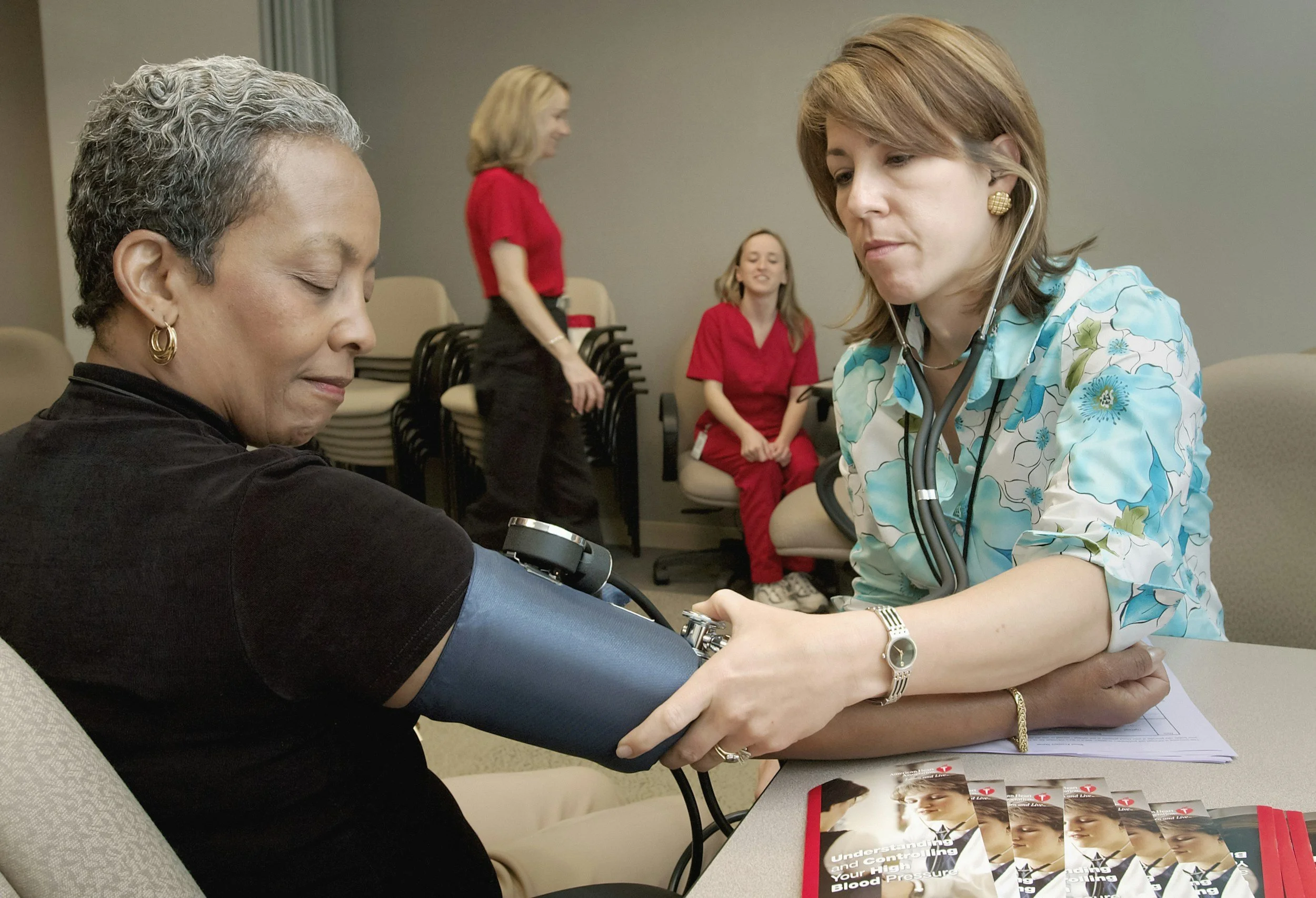
What is Hypertension?
Hypertension is a disease, best characterized as a derangement in the body's ability to deliver nutrients to a tissue bed and extract waste products. Blood pressure (BP) is the biomarker of that disease. It is a very good biomarker, but it is not perfect. Like many biomarkers, it must be employed, measured, and utilized correctly in the appropriate clinical setting.
Case Presentations
Patient 1: SPRINT Trial Profile
A 68-year-old nondiabetic male with stage 3 chronic kidney disease (CKD) who had a coronary stent placed in his LAD 1 year ago for stable angina presents to his primary care provider. His office blood pressure is 138/84 mmHg. His nephrologist had placed him on HCTZ years ago for his CKD and his cardiologist placed him on low-dose metoprolol succinate following his stent.
What makes this patient vulnerable? This patient fits the inclusion criteria and represents the typical SPRINT trial participant: over age 50 (mean age 68) with established CAD or CKD (has both) on ~2 drugs for hypertension. He IS a candidate for intensive BP control.
Patient 2: White Coat Hypertension
A 36-year-old female marathon runner with BMI of 20 presents to her PCP office for evaluation of bunions. She has no other chronic medical problems except for mild anxiety (mostly in social situations) and takes occasional propranolol prior to public speaking.
She ran 10 miles earlier that day but cut it short due to heat and foot pain. She apologizes for being 5 minutes late. Her blood pressure in the office is 147/92 mmHg with HR of 87 bpm. Her last office visit 6 months ago showed BP of 142/91 mmHg and HR of 78 bpm. She states her BP is always high in the office but she doesn't check it at home. She is surprised by her HR since her Apple Watch typically shows it in the mid-50s when resting at home.
Her PCP informs her that she has Stage 2 Hypertension and by latest guidelines should be treated aggressively with 2 different agents. She is placed on hydrochlorothiazide and a low-dose beta blocker.
What makes this patient vulnerable? First, it's highly unlikely this patient actually HAS hypertension. Hypertension is a disease that usually keeps close company with obesity, sedentary lifestyle, diabetes, CKD, and cardiovascular disease. She has none of those.
This patient is a young, athletic, and otherwise healthy individual with optimal BMI. As a marathon runner, she has high vagal tone (parasympathetic) but also a robust sympathetic response to stress (doctor's office, pain, dehydration, anxiety). The relatively high HR and BP are more likely a reflection of her adrenergic state, not true hypertension. Furthermore, the doctor's office rarely has the time to check BPs in accordance with guideline recommendations.
Patient 3: Masked Hypertension
A 58-year-old male smoker is seen in primary clinic for his annual follow-up. His blood pressure is 132/83 mmHg — similar to last year and the year before. He typically fasts and doesn't drink water before office visits. He has a high-stress job selling cars and prefers coffee during the day and several alcoholic beverages nightly to relax. He doesn't exercise but occasionally walks with his wife at casual pace.
His wife checks his blood pressure at home and reports that it's more often than not in the 140–150/80–90s mmHg range.
What makes this patient vulnerable? The precise cause of masked hypertension is not entirely known but is typically seen in those with untreated risk factors: smoking, alcohol abuse, sedentary lifestyle, and job stress. Chronic dehydration, alcohol consumption, poor eating, disrupted sleep, and lack of activity all have unpredictable influences on BP accuracy.
Flying Under the Radar
Hypertension affects nearly half of all American adults and is the single most important modifiable risk factor for stroke and a major driver of heart attack, heart failure, CKD, and vascular dementia. Yet it remains inadequately diagnosed, poorly measured, and inconsistently treated.
How does hypertension hide?
- White Coat Hypertension: Elevated office-based blood pressures that do NOT reflect the disease of hypertension. Measuring blood pressure under times of stress — anxiety, pain, dehydration, acute illness — captures an appropriate adrenergic physiologic response, not a disease. We do not "treat" appropriate physiological reflexes with antihypertensive therapies FDA-approved for treating a disease.
- Masked Hypertension: Normal office-based blood pressures that mask the disease of hypertension. A patient may have a normal BP in the office that day, but more accurate home BP readings demonstrate a trend consistent with hypertension. These patients are missed and undertreated.
- Measurement errors: Office BPs are frequently taken incorrectly — wrong cuff size, no rest period, talking, legs crossed, back unsupported, arm below heart level. Each of these can falsely elevate readings by 5–20 mmHg.
- Single-visit diagnosis: Hypertension should never be diagnosed on a single office visit — yet it often is, leading to inappropriate pharmacotherapy.
- Over-treatment of "numbers": Over-treatment of office-based or catecholamine-driven blood pressures runs the risk of adverse consequences and side effects of antihypertensive drugs. To be clear, all antihypertensive drugs have adverse consequences and are the major pitfall of all clinical trials of these drugs.
CardioAdvocate™ Checklist
1. How to Properly Measure Blood Pressure at Home
2. Clinician Best Practices
Questions to Ask Your Clinician
Deep Dive
This is a living section — a deeper exploration of the science, evidence, and controversies surrounding hypertension diagnosis and treatment.
1. Historical Context: The Blood Pressure–Disease Relationship
As early as the 1920s, it was observed that with higher blood pressures, there exists a strong direct correlation with greater clinical complications and death. Subsequent observational trials have demonstrated that for every 20 mmHg higher systolic BP (SBP) and 10 mmHg higher diastolic BP (DBP), there is a doubling of the risk of death from stroke, heart disease, and vascular disease.
2. The Hypertension Treatment Paradox
The disease of hypertension represents a common frustration in medicine: It's one thing to link a biomarker to adverse health outcomes, but it's much harder to develop interventions that, when reducing that biomarker, lead to a lowering of those adverse events.
Demonstrating benefits from the pharmacologic treatment of high blood pressure, particularly to intense targets of < 120 mmHg, has been challenging. The SPRINT trial showed benefits of "intensive-treatment" in reducing MACE, but ONLY in those at high risk WITHOUT diabetes. Previous trials such as the ACCORD-BP trial, which looked at diabetic patients (a population known to have high ASCVD risk), failed to show a benefit.
At AHA 2026, two large companion trials — OPTIMAL-STROKE and OPTIMAL-DIABETES — tested the same intensive vs. standard BP targets (< 120 vs. < 140 mmHg) in two different high-risk populations. The results reinforced the same pattern: intensive BP lowering helped stroke survivors but did not help diabetic patients. These trials are discussed in detail in Section 6.
3. Properly Diagnosing Hypertension
Critical principle: Blood pressure is a "biomarker" which needs to be distinguished from hypertension, which is a disease. It is absolutely critical that BP is measured appropriately and accurately before making a diagnosis of hypertension.
Recommended diagnostic method:
- At least 2 measurements, preferably in both arms, 1 minute apart, on 2 separate visits
- Sitting relaxed for AT LEAST 5 minutes in a comfortable chair with:
- Back supported, feet flat, legs not crossed
- Arm at the same height as the heart
- Appropriately sized arm cuff and automated BP machine
2020 International Society of Hypertension Guidelines
- "Whenever possible, the diagnosis should NOT be made on a single office visit"
- "Usually 2–3 office visits at 1–4 week intervals are required to confirm the diagnosis of hypertension"
- "The diagnosis might be made on a single visit if BP is ≥ 180/110 mmHg AND there is evidence of cardiovascular disease (CVD)"
4. Classifying Hypertension: The Guideline Disconnect
Contemporary guidelines differ significantly on the definitions and classification of Hypertension. Guidelines are just that — "guidelines." They may differ, sometimes very significantly, on key aspects. The totality of evidence (including societal guidelines, expert consensus documents, opinion papers, and community best practices) is what dictates local, regional, national, and international standards of care.
| Guideline | Normal | Elevated / High Normal | Stage 1 HTN | Stage 2 HTN |
|---|---|---|---|---|
| 2017 ACC/AHA | < 120/80 | 120–129/< 80 | 130–139/80–89 | ≥ 140/90 |
| 2018 ESC/ESH | < 120/80 | 130–139/85–89 | 140–159/90–99 | ≥ 160/100 |
| 2020 ISH | < 130/85 | 130–139/85–89 | 140–159/90–99 | ≥ 160/100 |
The latest ACC/AHA guidelines revised previous guidelines with more "intense" or strict definitions and thresholds for hypertension based on data from the SPRINT trial. They recommend calculating risk in primary prevention patients and starting medical therapy at a lower BP threshold for high-risk patients.
However, many other reputable guidelines chose NOT to follow suit. The 2018 ESC/ESH Guidelines recommend a threshold of > 140/90 mmHg (Grade 1) for the diagnosis of hypertension. The 2020 International Society of Hypertension guidelines define 130–139/85–89 as "high normal" BP — intended to identify individuals who could benefit from lifestyle interventions and who would receive pharmacological treatment if compelling indications are present.
5. Breaking Down the SPRINT Trial
Importantly, the SPRINT trial enrolled "high-risk" patients, which included:
- Nondiabetic patients over age 50 with cardiovascular disease, OR
- Patients with 10-year CVD risk (using Framingham Risk Calculator) of 15% or more
Mean age was 68 years. More than 25% were over age 75.
Key findings:
- Benefits in treating hypertension largely depend on baseline risk
- The higher the baseline risk, the greater the benefits of pharmacologic intervention
- The "intensive" treatment arm suffered statistically significantly MORE adverse events (ER visits, syncope, electrolyte abnormalities) than the "standard" therapy arm
SPRINT Research Group. A Randomized Trial of Intensive versus Standard Blood-Pressure Control. NEJM. 2015.
6. Caution: Different Populations, Different Results
The ACCORD BP trial exemplified heterogeneity in BP control effects. Higher-risk diabetic patients ≥ 40 years old were subjected to "intensive" treatment but showed NO benefit to intense blood pressure lowering compared to standard thresholds, despite their high risk.
Therefore, caution is advised when extrapolating SPRINT benefits to other high-risk populations, let alone lower-risk populations — as this runs the risk of inheriting ALL the side effects of the intervention without ANY of the benefits seen in the clinical trials.
As one accompanying editorial stated: "The ability to generalize the SPRINT results to clinical practice requires accurate assessment of BP and evidence of high CV risk."
ACCORD Study Group. Effects of Intensive Blood-Pressure Control in Type 2 Diabetes Mellitus. NEJM. 2010.
AHA 2026 Update: OPTIMAL-STROKE and OPTIMAL-DIABETES
At the American Heart Association 2026 Scientific Sessions, two large companion trials — both conducted in Brazil and both simultaneously published in the NEJM — tested the exact same blood pressure targets (SBP < 120 vs. < 140 mmHg) in two different high-risk populations. The divergent results tell us something important.
OPTIMAL-STROKE: Positive
OPTIMAL-STROKE randomized 4,368 patients with a history of ischemic stroke or TIA and elevated blood pressure at 30 sites in Brazil. Patients were randomized to an intensive target (SBP < 120 mmHg) vs. standard care (SBP < 140 mmHg). Mean age was 64 years; nearly 50% were women.
Results: Over a median follow-up of nearly 4 years, the mean achieved SBP was 122.0 mmHg (intensive) vs. 135.2 mmHg (standard) — a between-group difference of 13.1 mmHg. The primary composite endpoint (cardiovascular death, nonfatal MI, nonfatal stroke, or hospitalization for unstable angina or heart failure) occurred in 10.9% of the intensive group vs. 13.5% of the standard group (HR 0.79; 95% CI 0.67–0.94; P = 0.007).
OPTIMAL-DIABETES: Neutral
OPTIMAL-DIABETES enrolled 9,476 adults aged 50 and older with type 2 diabetes and elevated blood pressure. Using the same intensive vs. standard BP targets (SBP < 120 vs. < 140 mmHg), this trial was even larger than OPTIMAL-STROKE — and yet found no significant reduction in the primary composite endpoint of cardiovascular death, nonfatal MI, nonfatal stroke, or hospitalization for unstable angina or heart failure.
Mean achieved SBP was 121.8 mmHg (intensive) vs. 135.4 mmHg (standard). Despite achieving a substantial BP separation of ~14 mmHg — similar to the SPRINT and OPTIMAL-STROKE trials — the cardiovascular benefit simply was not there for the diabetic population.
The Historical Parallel: ACCORD-BP vs. SPRINT
This divergence is not new — it echoes the ACCORD-BP vs. SPRINT story from the last decade. Both trials tested intensive BP lowering to SBP < 120 mmHg. Both enrolled "high-risk" patients. But the populations differed in one critical way:
| Trial | Year | N | Population | Diabetes | Result |
|---|---|---|---|---|---|
| ACCORD-BP | 2010 | 4,733 | Type 2 diabetes, high CV risk | Yes | No benefit |
| SPRINT | 2015 | 9,361 | High CV risk, CKD, age ≥ 75 | Excluded | 25% reduction in MACE |
| OPTIMAL-DIABETES | 2026 | 9,476 | Type 2 diabetes, age ≥ 50 | Yes | No benefit |
| OPTIMAL-STROKE | 2026 | 4,368 | Prior ischemic stroke or TIA | Mixed | 21% reduction in MACE |
The pattern is consistent: in high-risk populations without diabetes as the defining characteristic (SPRINT, OPTIMAL-STROKE), intensive BP lowering reduces events. In populations with diabetes (ACCORD-BP, OPTIMAL-DIABETES), it does not — despite achieving the same blood pressure targets. Something about the diabetic milieu — the vascular remodeling, the autonomic dysfunction, the metabolic complexity — may blunt the benefit of aggressive BP reduction.
One analysis of ACCORD's factorial design found that intensive SBP lowering actually did reduce events in patients on standard glycemic control — but not in those on intensive glycemic control. This raises the possibility that the glycemic arm of ACCORD may have confounded the BP results, though OPTIMAL-DIABETES (which had no glycemic intervention arm) argues the null effect in diabetics is real.
OPTIMAL-STROKE Research Group. Intensive Blood-Pressure Lowering in Patients with Prior Ischemic Stroke. NEJM. 2026.
OPTIMAL-DIABETES Research Group. Intensive Blood-Pressure Lowering in Patients with Type 2 Diabetes. NEJM. 2026.
ACCORD Study Group. Effects of Intensive Blood-Pressure Control in Type 2 Diabetes Mellitus. NEJM. 2010.
SPRINT Research Group. A Randomized Trial of Intensive versus Standard Blood-Pressure Control. NEJM. 2015.
Buckley BJR, et al. Reconciling Results From ACCORD BP and SPRINT. JAHA. 2018.
7. Office BP vs. Home BP vs. Ambulatory BP Monitoring
Office-based blood pressure readings are frequently inaccurate. Even when measured "correctly," the office environment itself introduces a stress response that can elevate BP by 10–30 mmHg in susceptible individuals. This is not a trivial issue — it drives misdiagnosis in both directions.
| Method | Strengths | Limitations |
|---|---|---|
| Office BP | Convenient; familiar; available at every visit | White coat effect; improper technique common; single snapshot in time |
| Home BP (HBPM) | More accurate than office; captures trends; empowers patients; no fasting needed | Device quality varies; requires patient training; no nocturnal data |
| Ambulatory BP (ABPM) | Gold standard; 24-hour profile; captures nocturnal dipping; detects masked and white coat HTN | Cost; inconvenience; limited availability in some practices |
Unger T, et al. 2020 ISH Global Hypertension Practice Guidelines. Hypertension. 2020.
Whelton PK, et al. 2017 ACC/AHA Guideline for High Blood Pressure in Adults. Hypertension.
8. Long-Term Cardiovascular and Cardiometabolic Consequences
Untreated hypertension is a relentless, slow-burning destroyer. Unlike hyperlipidemia — which drives atherothrombotic events like heart attack through plaque rupture — the target organ damage from hypertension tends to manifest differently:
- Stroke — Hypertension is the #1 modifiable risk factor for both ischemic and hemorrhagic stroke. Risk increases continuously with BP, with no safe threshold.
- Heart Failure — Chronic pressure overload leads to left ventricular hypertrophy (LVH), diastolic dysfunction, and eventually both HFpEF and HFrEF. Hypertension is the most common cause of HFpEF.
- Chronic Kidney Disease — Hypertension and CKD are inextricably linked in a vicious cycle. Uncontrolled BP accelerates nephrosclerosis and GFR decline.
- Aortic Aneurysm and Dissection — Chronic hypertension weakens the aortic wall, increasing risk of thoracic and abdominal aortic aneurysm, as well as the catastrophic complication of aortic dissection.
- Vascular Dementia — Emerging evidence links chronic hypertension to accelerated cognitive decline and vascular dementia, likely mediated through small vessel disease and microinfarcts.
- Atrial Fibrillation — LVH and left atrial remodeling from chronic hypertension are major drivers of AF, creating additional stroke risk.
- Peripheral Arterial Disease — Hypertension accelerates peripheral atherosclerosis, particularly in combination with diabetes and smoking.
- Retinopathy — Hypertensive retinopathy reflects microvascular damage and serves as a marker of end-organ injury.
9. The ALLHAT Trial: What It Proved and What It Didn't
The Antihypertensive and Lipid-Lowering Treatment to Prevent Heart Attack Trial (ALLHAT) was one of the largest randomized hypertension trials ever conducted (>40,000 patients). It compared chlorthalidone (thiazide-type diuretic) vs. amlodipine (CCB) vs. lisinopril (ACE inhibitor) for the prevention of coronary heart disease in high-risk hypertensive patients.
Key Findings:
- Chlorthalidone was at least as effective as the other agents for the primary endpoint (fatal CHD/nonfatal MI)
- Chlorthalidone was superior to lisinopril for stroke prevention and superior to amlodipine for heart failure prevention
- These results led to strong guideline recommendations for thiazide-type diuretics as first-line therapy
The Chlorthalidone–HCTZ Extrapolation Problem
Here's the problem: ALLHAT studied chlorthalidone, not hydrochlorothiazide (HCTZ). Yet the results were extrapolated to the entire thiazide class, and HCTZ — which is pharmacologically distinct — became the most commonly prescribed diuretic in America.
Why does this matter?
- Half-life: Chlorthalidone has a half-life of 40–60 hours; HCTZ has a half-life of only 3–13 hours
- 24-hour BP control: HCTZ provides inferior nighttime and 24-hour ambulatory BP reduction compared to chlorthalidone
- Outcome data: There is little direct evidence that HCTZ at commonly prescribed doses (12.5–25 mg) reduces cardiovascular events. The major trials (HDFP, MRFIT, SHEP, ALLHAT) used chlorthalidone
- Dose equivalence: Chlorthalidone 12.5–25 mg is NOT equivalent to HCTZ 12.5–25 mg — chlorthalidone is substantially more potent per milligram
ALLHAT Officers. Major Outcomes in High-Risk Hypertensive Patients Randomized to ACE Inhibitor or CCB vs Diuretic. JAMA. 2002.
Ishani A, et al. Chlorthalidone vs. Hydrochlorothiazide for Hypertension–Cardiovascular Events (DCP Trial). NEJM. 2022.
Roush GC, et al. Hydrochlorothiazide as the Diuretic of Choice for Hypertension: Time to Kick the Habit. JACC. 2016.
The Diuretic Side Effect Problem
Regardless of which thiazide is used, the adverse effects are real and often underappreciated, particularly in the elderly:
- Electrolyte abnormalities: Hypokalemia, hyponatremia, hypomagnesemia — all more common with higher doses and in older patients
- Syncope and falls: Volume depletion + electrolyte shifts = high risk for syncope, particularly in elderly patients who are started on a diuretic and never have it reassessed despite being normotensive in their 80s
- Metabolic effects: Worsening glucose tolerance, hyperuricemia (gout), dyslipidemia
- Renal impairment: Chronic volume depletion can worsen renal function, especially when combined with ACE inhibitors or ARBs
10. Atenolol: A Cautionary Tale
Atenolol is a once-daily, inexpensive beta blocker that has been one of the most widely prescribed antihypertensives in history. There's just one problem: it doesn't appear to work very well for hypertension.
Key Concerns:
- A systematic review by Carlberg et al. found that atenolol was no more effective than placebo at reducing MI, cardiovascular mortality, or all-cause mortality in hypertension
- The LIFE trial (Losartan Intervention For Endpoint Reduction) demonstrated that losartan-based therapy was superior to atenolol-based therapy in reducing cardiovascular events — especially in elderly patients with LVH
- Meta-analyses show atenolol is associated with a 17% increased risk of stroke (RR 1.17, 95% CI 1.05–1.30) compared with other antihypertensives in the elderly
- Bradycardia: A significant concern, particularly in elderly patients — can cause fatigue, dizziness, exercise intolerance, and syncope
- Renal clearance: Atenolol is predominantly renally metabolized and cleared (~85% excreted unchanged by the kidneys). This presents a compounding problem in aging patients with declining eGFR — drug accumulation leads to higher-than-expected plasma levels, which can produce profound bradycardia, hypotension, and fatigue even at "standard" doses. Dose adjustment is required in renal impairment, yet this is frequently overlooked in clinical practice
- No mortality benefit after MI — unlike metoprolol succinate, carvedilol, or bisoprolol, which have demonstrated survival benefits in heart failure
Carlberg B, Samuelsson O, Lindholm LH. Atenolol in hypertension: is it a wise choice? Lancet. 2004;364(9446):1684–9.
Dahlöf B, et al. LIFE Study: Cardiovascular morbidity and mortality in the Losartan Intervention For Endpoint reduction in hypertension study. Lancet. 2002.
Khan N, McAlister FA. When not to use beta-blockers in seniors with hypertension. Can Fam Physician. 2011.
11. Resistant Hypertension and the Secondary Workup
Defining Resistant Hypertension
Resistant hypertension is defined as blood pressure that remains above goal despite the use of 3 or more antihypertensive agents at optimal doses from different classes, one of which should be a diuretic. It also includes patients whose BP is controlled but requires 4 or more agents to achieve goal.
Before labeling someone as "resistant," first confirm:
- Pseudo-resistance: Is BP truly uncontrolled? (Confirm with HBPM or ABPM — not just office readings)
- Medication adherence: Non-adherence is the most common cause of apparent resistant hypertension
- Lifestyle factors: Excessive salt intake, alcohol, NSAIDs, decongestants, oral contraceptives, stimulants
- White coat effect: Is the "resistance" an artifact of inaccurate office BP measurement?
The Secondary Hypertension Workup
When true resistant hypertension is confirmed, a systematic workup for secondary causes is warranted. Common components include:
Laboratory Testing:
- Basic metabolic panel (BMP): Potassium, sodium, creatinine, BUN, glucose — looking for hypokalemia (aldosteronism clue), renal impairment
- Aldosterone-to-renin ratio: The primary screening test for primary aldosteronism — the most common and most underdiagnosed secondary cause. A morning plasma aldosterone concentration and plasma renin activity are drawn simultaneously; an elevated ratio warrants further confirmatory testing
- TSH: Both hypo- and hyperthyroidism can cause or worsen hypertension
- Urinalysis with protein: Screen for renal parenchymal disease
- Plasma/urine metanephrines: Screen for pheochromocytoma (rare but dangerous — see below)
- 24-hour urine cortisol or overnight dexamethasone suppression test: If Cushing syndrome suspected
Imaging:
- Renal ultrasound with Doppler: Assess kidney size (asymmetry suggests renovascular disease), screen for renal artery stenosis
- Echocardiogram: Essential for patients with longstanding hypertension — assesses for LVH, diastolic dysfunction, left atrial enlargement, and systolic function. These findings help stratify risk, guide treatment intensity, and establish baseline cardiac structure
- CT angiography or magnetic resonance angiography of renal arteries: If renovascular disease suspected (young woman with fibromuscular dysplasia, or older patient with diffuse atherosclerosis)
- Adrenal CT: If biochemical evidence of aldosteronism or pheochromocytoma
Primary Aldosteronism: The Great Masquerader
Primary aldosteronism (PA) — also known as hyperaldosteronism — is the most common endocrine cause of secondary hypertension, yet it remains profoundly underdiagnosed. Recent data suggests:
- 5–10% of all hypertensive patients may have PA
- Up to 15–18% of patients in primary care with newly diagnosed hypertension
- Up to 30% of patients with resistant hypertension
- Yet fewer than 2% of eligible patients are screened
PA causes cardiovascular and renal damage beyond what would be expected from BP elevation alone — through direct mineralocorticoid-mediated organ injury (cardiac fibrosis, renal inflammation, vascular stiffness). Targeted treatment (adrenalectomy for unilateral disease, spironolactone for bilateral) can dramatically improve or even cure hypertension.
Underdiagnosis of Primary Aldosteronism: A Review of Screening and Detection. Am J Kidney Dis.
Clinical Management of Primary Aldosteronism: An Update. Hypertension.
2025 Endocrine Society Clinical Practice Guideline: Primary Aldosteronism.
Pheochromocytoma: Rare but Must Be Considered
Pheochromocytoma (a catecholamine-secreting tumor of the adrenal medulla) is rare — most physicians will never encounter one in their careers. Yet failure to diagnose it can be fatal (hypertensive crisis, stroke, MI, arrhythmia). Classic features include paroxysmal hypertension, headache, sweating, and palpitations ("spells"). Screen with plasma free metanephrines if clinical suspicion exists.
12. Emerging Therapies: Renal Denervation
For patients with resistant hypertension despite optimal medical therapy, renal denervation (RDN) has emerged as a catheter-based procedural option. RDN disrupts the renal sympathetic nerves — a key driver of the neurohormonal axis that maintains elevated BP.
Key Trial Evidence:
- SPYRAL HTN-ON MED: 3-year results (2025) showed sustained ~18 mmHg office BP reduction with radiofrequency RDN. No renal artery stenosis >70% observed through 3 years
- RADIANCE II: Ultrasound RDN reduced daytime ambulatory SBP by 7.9 mmHg vs. 1.8 mmHg with sham (difference −6.3 mmHg, p<0.001)
- RADIANCE-HTN TRIO: 36-month durability data showed sustained BP reduction in patients with resistant hypertension
BP reductions from RDN are approximately equivalent to adding one antihypertensive medication. The procedure may be reasonable for patients who cannot tolerate medications, have true medication-resistant hypertension, or have significant adherence challenges.
Kandzari DE, et al. Safety and Efficacy of Renal Denervation in Patients Taking Antihypertensive Medications: SPYRAL HTN-ON MED. JACC. 2023.
Azizi M, et al. Endovascular Ultrasound Renal Denervation to Treat Hypertension: RADIANCE II. JAMA. 2023.
13. Related CardioAdvocate Content
- There's an App for That — Risk Calculators — Why risk calculators fail and how to use them appropriately
- Under Pressure's Companion — CKD — Hypertension and kidney disease are inextricably linked
- Brain Attack — Stroke — Hypertension is the #1 modifiable risk factor for stroke
- Heart Failure (HFpEF) — Hypertension is a leading cause of HFpEF
- Heart Failure (HFrEF) — Uncontrolled hypertension accelerates cardiac remodeling
- The Silent Partner — Sleep Apnea — OSA and resistant hypertension
- The Sweet Spot — Diabetes — Hypertension and diabetes: the cardiometabolic duo
- The Itch That Rashes — CRP/Inflammation — Chronic inflammation and vascular disease
- Age Is Just a Number — Older Adult — BP targets in the elderly
- Killer Workouts — The Adult Athlete — Exercise-induced BP elevation vs disease
- Who Needs a Specialist? — When to refer for resistant or secondary hypertension
- When the Biomarker Lies — The AHA 2026 trials that hit their biomarker targets but missed their clinical endpoints
The Bottom Line
- Blood pressure is a biomarker; hypertension is a disease — they are not the same
- Never diagnose hypertension on a single office visit
- White Coat Hypertension: Stress-induced BP elevation ≠ disease requiring treatment
- Masked Hypertension: Some patients have normal office BP but elevated home BP — these patients are at high risk
- Proper BP measurement technique is CRITICAL for diagnosis (seated, relaxed, 5+ minutes)
- Home BP readings are more accurate than office readings
- Baseline cardiovascular risk determines appropriate treatment intensity
- High-risk patients without diabetes may benefit from intensive BP targets (< 120 mmHg) — as shown by SPRINT and OPTIMAL-STROKE
- Intensive BP lowering has repeatedly failed to show benefit in diabetic patients (ACCORD-BP, OPTIMAL-DIABETES) — a < 130/80 target is more appropriate
- Low-risk patients may not need pharmacotherapy; lifestyle modifications may suffice
- All antihypertensive drugs have adverse effects — weigh risks vs. benefits for your individual risk profile
- Bring home BP measurements to your visits to guide appropriate management
