

About Us
Our mission is simple:
Bridging Gaps in Knowledge of Medical Truths.
Our vision is clear:
A World where People are Empowered in Their Health.
-
Text here
-
Text here
-
Item description
Meet the Team
-
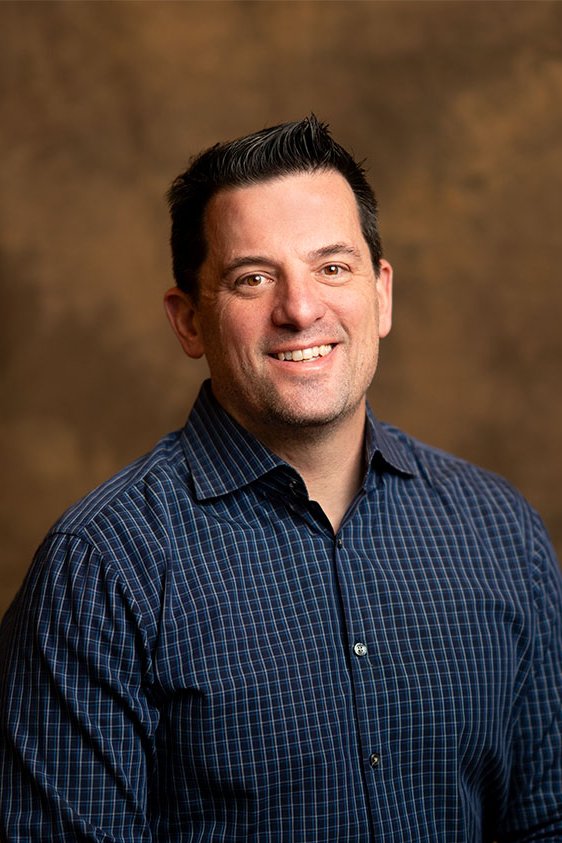
!["Dr. Ian Riddock, Preventive Cardiologist and Lipidologist and Founder of CardioAdvocate"]()
Dr. Ian Riddock
Founder
CardioAdvocate was founded to bring clarity, context, and truth to cardiometabolic prevention — before disease declares itself.
I learned the importance of cardiovascular prevention long before I ever became a cardiologist.
When I was 15, my father suffered his first cardiac event at age 46. Procedures helped him survive that moment, but it was long-term preventive care — quitting smoking, early statins, and years of thoughtful medical management — that ultimately saved his life. Over decades, as cardiology advanced, his care advanced with it. Today, at 83, he is alive because prevention worked.
That experience shaped my career.
I am a general preventive cardiologist and lipidologist, trained through the Uniformed Services University of the Health Sciences and the United States Air Force. I completed internal medicine and cardiology training within the Air Force and spent years as a staff cardiologist and educator at Travis Air Force Base. I deployed twice to Afghanistan — first as a Critical Care Air Transport (CCAT) physician caring for critically wounded service members, and later as the Cardiology Theater Consultant overseeing cardiovascular care across the region.
Those experiences reinforced a central truth that has defined my work ever since:
the greatest power in cardiology lies in prevention — and risk often hides in plain sight.Over time, through focused work in lipidology and cardiometabolic medicine and mentorship from leaders in preventive cardiology, it became clear that the science was not the problem. The problem was accessibility, understanding, and navigation. Too often, patients and clinicians alike lack clear pathways to recognize risk early, interpret complex data, and act before catastrophe occurs.
CardioAdvocate was created to change that.
Not as another health blog — but as a cardiometabolic expertise platform designed to translate complexity into clarity, surface overlooked risk, and empower individuals to advocate for their own cardiovascular health.
CardioAdvocate exists because prevention works — but only when people understand it.
-
![Brett Stoddard, Founding Engineer of CardioAdvocate]()
Brett Stoddard
Founding Engineer
Brett serves as a Founding Engineer of the company, driven by a fervent passion for ideation and innovation in the engineering field. Holding degrees in Robotics, Electrical, and Computer Engineering from Oregon State University, his academic foundation is complemented by entrepreneurial experience. As a graduate of the VentureWell E-Team program, he has co-founded startups that have successfully navigated the rigorous selection processes of prestigious accelerators like AI2 and TechStars.
-
![Fred Seddiqui, Advisor to CardioAdvocate]()
Fred Seddiqui
Advisor
Fred Seddiqui has over 30 years of executive management experience in emerging companies both in the high tech and life science industries. Prior to Lugano Ventures, he served as CEO and Chairman of the Board of Axis Surgical Technologies Inc. (now Trice Medical), and Avantis Medical Systems and played a key role as a Principal of Silicon Valley Venture Partners since 1998. Through his management, he built value by attracting reputable Fortune 500 executive teams and developing strategic partnerships. He sold PS Inc., an internet based medical company to Packet Stream Inc. in 2002, Sharp Surgical to Cook Medical in 2008. Some of is other startup companies such as AFx Inc. was acquired by Boston Scientific in 2004 and Vivant Medical Technologies was acquired by Covidien in 2005. Fred has a proven track record of achieving collaborative outcomes from a cadre of culturally diverse technical and business teams, and has created a record of excellent operational and financial performance.


Content on CardioAdvocate.com is for educational purposes only and does not constitute medical advice. No physician–patient relationship is created. Always consult a qualified healthcare professional for medical concerns.