
Under Pressure:The Disease of Hypertension vs Blood Pressure, Its Biomarker
What is Hypertension?
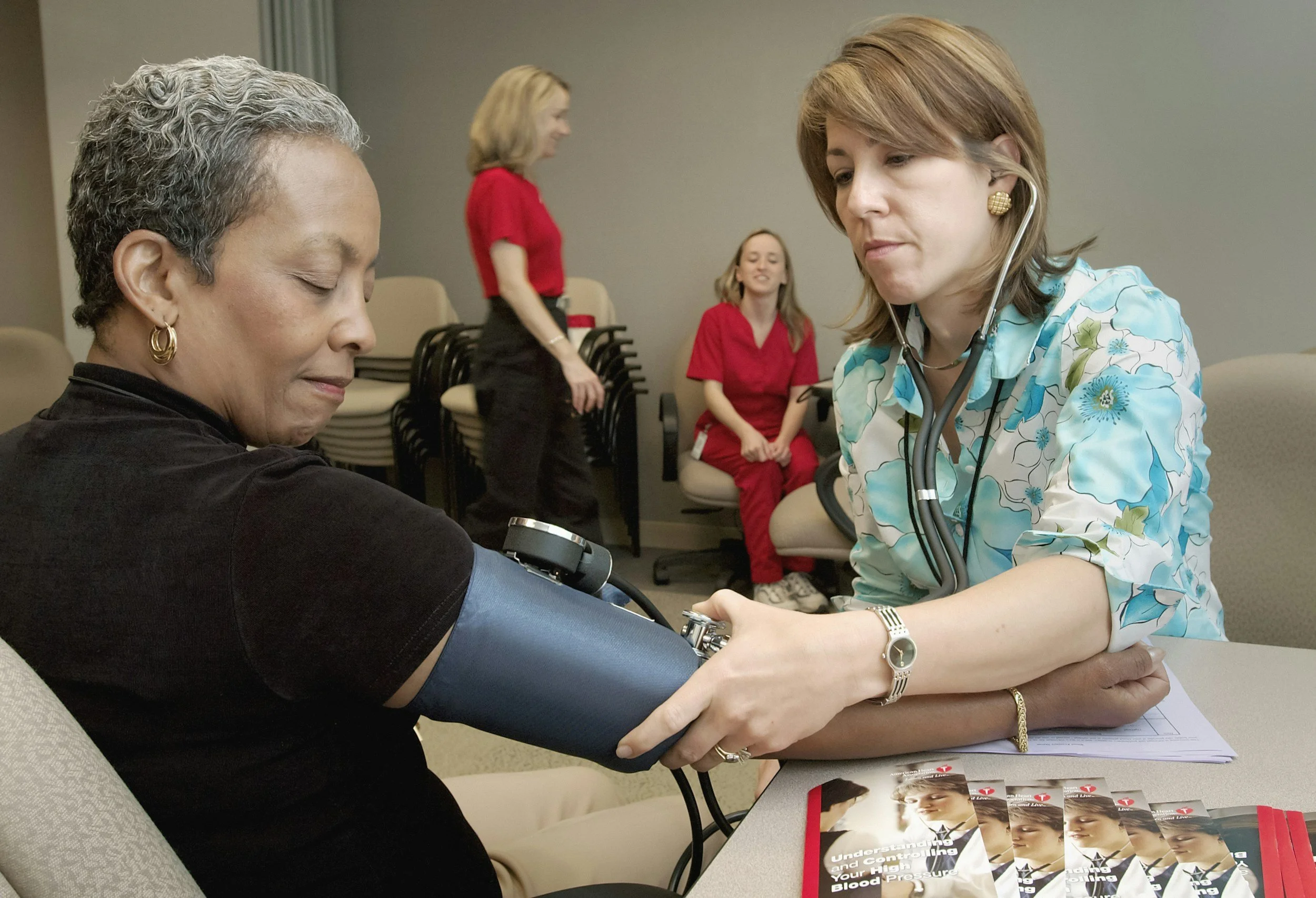
Hypertension is a disease, best characterized as a derangement in the body's ability to deliver nutrients to a tissue bed and extract waste products. Blood pressure (BP) is the biomarker of that disease. It is a very good biomarker, but it is not perfect. Like many biomarkers, it must be employed, measured, and utilized correctly in the appropriate clinical setting.
Case Presentations
Patient 1: SPRINT Trial Profile
A 68-year-old nondiabetic male with stage 3 chronic kidney disease (CKD) who had a coronary stent placed in his LAD 1 year ago for stable angina presents to his primary care provider. His office blood pressure is 138/84 mmHg. His nephrologist had placed him on HCTZ years ago for his CKD and his cardiologist placed him on low-dose metoprolol succinate following his stent.
What makes this patient vulnerable? This patient fits the inclusion criteria and represents the typical SPRINT trial participant: over age 50 (mean age 68) with established CAD or CKD (has both) on ~2 drugs for hypertension. He IS a candidate for intensive BP control.
Patient 2: White Coat Hypertension
A 36-year-old female marathon runner with BMI of 20 presents to her PCP office for evaluation of bunions. She has no other chronic medical problems except for mild anxiety (mostly in social situations) and takes occasional propranolol prior to public speaking.
She ran 10 miles earlier that day but cut it short due to heat and foot pain. She apologizes for being 5 minutes late. Her blood pressure in the office is 147/92 mmHg with HR of 87 bpm. Her last office visit 6 months ago showed BP of 142/91 mmHg and HR of 78 bpm. She states her BP is always high in the office but she doesn't check it at home. She is surprised by her HR since her Apple Watch typically shows it in the mid-50s when resting at home.
Her PCP informs her that she has Stage 2 Hypertension and by latest guidelines should be treated aggressively with 2 different agents. She is placed on hydrochlorothiazide and a low-dose beta blocker.
What makes this patient vulnerable? First, it's highly unlikely this patient actually HAS hypertension. Hypertension is a disease that usually keeps close company with obesity, sedentary lifestyle, diabetes, CKD, and cardiovascular disease. She has none of those.
This patient is a young, athletic, and otherwise healthy individual with optimal BMI. As a marathon runner, she has high vagal tone (parasympathetic) but also a robust sympathetic response to stress (doctor's office, pain, dehydration, anxiety). The relatively high HR and BP are more likely a reflection of her adrenergic state, not true hypertension. Furthermore, the doctor's office rarely has the time to check BPs in accordance with guideline recommendations.
Patient 3: Masked Hypertension
A 58-year-old male smoker is seen in primary clinic for his annual follow-up. His blood pressure is 132/83 mmHg — similar to last year and the year before. He typically fasts and doesn't drink water before office visits. He has a high-stress job selling cars and prefers coffee during the day and several alcoholic beverages nightly to relax. He doesn't exercise but occasionally walks with his wife at casual pace.
His wife checks his blood pressure at home and reports that it's more often than not in the 140–150/80–90s mmHg range.
What makes this patient vulnerable? The precise cause of masked hypertension is not entirely known but is typically seen in those with untreated risk factors: smoking, alcohol abuse, sedentary lifestyle, and job stress. Chronic dehydration, alcohol consumption, poor eating, disrupted sleep, and lack of activity all have unpredictable influences on BP accuracy.
Flying Under the Radar
Hypertension affects nearly half of all American adults and is the single most important modifiable+risk+factor" data-term="Risk Factor" target="_blank">modifiable risk factor" target="_blank">Risk Factor" target="_blank">modifiable risk factor for stroke and a major driver of heart attack, heart failure, CKD, and vascular dementia. Yet it remains inadequately diagnosed, poorly measured, and inconsistently treated.
How does hypertension hide?
- White Coat Hypertension: Elevated office-based blood pressures that do NOT reflect the disease of hypertension. Measuring blood pressure under times of stress — anxiety, pain, dehydration, acute illness — captures an appropriate adrenergic physiologic response, not a disease. We do not "treat" appropriate physiological reflexes with antihypertensive therapies FDA-approved for treating a disease.
- Masked Hypertension: Normal office-based blood pressures that mask the disease of hypertension. A patient may have a normal BP in the office that day, but more accurate home BP readings demonstrate a trend consistent with hypertension. These patients are missed and undertreated.
- Measurement errors: Office BPs are frequently taken incorrectly — wrong cuff size, no rest period, talking, legs crossed, back unsupported, arm below heart level. Each of these can falsely elevate readings by 5–20 mmHg.
- Single-visit diagnosis: Hypertension should never be diagnosed on a single office visit — yet it often is, leading to inappropriate pharmacotherapy.
- Over-treatment of "numbers": Over-treatment of office-based or catecholamine-driven blood pressures runs the risk of adverse consequences and side effects of antihypertensive drugs. To be clear, all antihypertensive drugs have adverse consequences and are the major pitfall of all clinical trials of these drugs.
CardioAdvocate™ Checklist
1. How to Properly Measure Blood Pressure at Home
2. Clinician Best Practices
Questions to Ask Your Clinician
Deep Dive
March 2026 Update: PREVENT-ASCVD Risk Calculator Incorporates Blood Pressure and Antihypertensive Use
The 2026 ACC/AHA/NLA Dyslipidemia Guidelines incorporate the new PREVENT-ASCVD risk calculator, which includes both systolic blood pressure and current antihypertensive medication use as inputs for cardiovascular risk estimation. This reflects an important recognition: blood pressure control and lipid management are inseparable components of atherosclerotic CVD prevention. For borderline-risk patients or those with stage 1 hypertension, the PREVENT calculator can help quantify whether lipid-lowering therapy intensity should be adjusted based on BP control status and anticipated BP trajectory. In other words, a well-controlled hypertensive patient may warrant more aggressive statin therapy than an uncontrolled one at the same LDL-C level.
Inflammation and High-Sensitivity C-Reactive Protein in Hypertension
Hypertension and systemic inflammation are mechanistically linked. Endothelial dysfunction from chronic pressure overload triggers chronic inflammation, and inflammatory cytokines (TNF-α, IL-6) promote both hypertension and atherosclerosis. The 2026 guidelines recognize that in patients with hypertension and borderline ASCVD risk, elevated high-sensitivity C-reactive protein (hsCRP) ≥2 mg/L on two occasions can support a COR 2a recommendation for high-intensity statin therapy, even in those who might otherwise be classified as moderate-risk. This reflects the principle that inflammation amplifies atherosclerotic risk independent of LDL-C alone. For hypertensive patients with hsCRP ≥2 mg/L and borderline LDL-C levels (70–100 mg/dL), measurement of ApoB and discussion of statin intensity is warranted.
Cardiovascular-Kidney-Metabolic (CKM) Syndrome and Hypertension
The 2026 ACC/AHA/NLA guidelines explicitly recognize the Cardiovascular-Kidney-Metabolic (CKM) syndrome concept, which highlights that hypertension is not an isolated disorder but a central component of a integrated cardiometabolic-renal syndrome. Chronic hypertension drives left ventricular hypertrophy, atrial fibrillation, chronic kidney disease, and metabolic dysfunction. These conditions are mechanistically linked through endothelial dysfunction, vascular stiffness, and impaired natriuresis. For patients with hypertension and any element of CKM syndrome—obesity, dysglycemia, chronic kidney disease, atrial fibrillation, or heart failure—aggressive blood pressure control (goal <130/80 mm Hg) and consideration of SGLT2 inhibitors or other pleiotropic agents may provide organ protection beyond BP reduction alone. This integrated approach recognizes that hypertension is not just "high BP" but a disease affecting the entire cardiometabolic-renal system.
This is a living section — a deeper exploration of the science, evidence, and controversies surrounding hypertension diagnosis and treatment.
1. Historical Context: The Blood Pressure–Disease Relationship
As early as the 1920s, it was observed that with higher blood pressures, there exists a strong direct correlation with greater clinical complications and death. Subsequent observational trials have demonstrated that for every 20 mmHg higher systolic BP (SBP) and 10 mmHg higher diastolic BP (DBP), there is a doubling of the risk of death from stroke, heart disease, and vascular disease.
2. The Hypertension Treatment Paradox
The disease of hypertension represents a common frustration in medicine: It's one thing to link a biomarker to adverse health outcomes, but it's much harder to develop interventions that, when reducing that biomarker, lead to a lowering of those adverse events.
Demonstrating benefits from the pharmacologic treatment of high blood pressure, particularly to intense targets of < 120 mmHg, has been challenging. Recently, the SPRINT trial showed benefits of "intensive-treatment" in reducing MACE, but ONLY in those at high risk WITHOUT diabetes. Previous trials such as the ACCORD-BP trial, which looked at diabetic patients (a population known to have high ASCVD risk), failed to show a benefit.
3. Properly Diagnosing Hypertension
Critical principle: Blood pressure is a "biomarker" which needs to be distinguished from hypertension, which is a disease. It is absolutely critical that BP is measured appropriately and accurately before making a diagnosis of hypertension.
Recommended diagnostic method:
- At least 2 measurements, preferably in both arms, 1 minute apart, on 2 separate visits
- Sitting relaxed for AT LEAST 5 minutes in a comfortable chair with:
- Back supported, feet flat, legs not crossed
- Arm at the same height as the heart
- Appropriately sized arm cuff and automated BP machine
2020 International Society of Hypertension Guidelines
- "Whenever possible, the diagnosis should NOT be made on a single office visit"
- "Usually 2–3 office visits at 1–4 week intervals are required to confirm the diagnosis of hypertension"
- "The diagnosis might be made on a single visit if BP is ≥ 180/110 mmHg AND there is evidence of cardiovascular disease (CVD)"
4. Classifying Hypertension: The Guideline Disconnect
Contemporary guidelines differ significantly on the definitions and classification of Hypertension. Guidelines are just that — "guidelines." They may differ, sometimes very significantly, on key aspects. The totality of evidence (including societal guidelines, expert consensus documents, opinion papers, and community best practices) is what dictates local, regional, national, and international standards of care.
| Guideline | Normal | Elevated / High Normal | Stage 1 HTN | Stage 2 HTN |
|---|---|---|---|---|
| 2017 ACC/AHA | < 120/80 | 120–129/< 80 | 130–139/80–89 | ≥ 140/90 |
| 2018 ESC/ESH | < 120/80 | 130–139/85–89 | 140–159/90–99 | ≥ 160/100 |
| 2020 ISH | < 130/85 | 130–139/85–89 | 140–159/90–99 | ≥ 160/100 |
The latest ACC/AHA guidelines revised previous guidelines with more "intense" or strict definitions and thresholds for hypertension based on data from the SPRINT trial. They recommend calculating risk in primary prevention patients and starting medical therapy at a lower BP threshold for high-risk patients.
However, many other reputable guidelines chose NOT to follow suit. The 2018 ESC/ESH Guidelines recommend a threshold of > 140/90 mmHg (Grade 1) for the diagnosis of hypertension. The 2020 International Society of Hypertension guidelines define 130–139/85–89 as "high normal" BP — intended to identify individuals who could benefit from lifestyle interventions and who would receive pharmacological treatment if compelling indications are present.
5. Breaking Down the SPRINT Trial
Importantly, the SPRINT trial enrolled "high-risk" patients, which included:
- Nondiabetic patients over age 50 with cardiovascular disease, OR
- Patients with 10-year CVD risk (using Framingham Risk Calculator) of 15% or more
Mean age was 68 years. More than 25% were over age 75.
Key findings:
- Benefits in treating hypertension largely depend on baseline risk
- The higher the baseline risk, the greater the benefits of pharmacologic intervention
- The "intensive" treatment arm suffered statistically significantly MORE adverse events (ER visits, syncope, electrolyte abnormalities) than the "standard" therapy arm
SPRINT Research Group. A Randomized Trial of Intensive versus Standard Blood-Pressure Control. NEJM. 2015.
6. Caution: Different Populations, Different Results
The ACCORD BP trial exemplified heterogeneity in BP control effects. Higher-risk diabetic patients ≥ 40 years old were subjected to "intensive" treatment but showed NO benefit to intense blood pressure lowering compared to standard thresholds, despite their high risk.
Therefore, caution is advised when extrapolating SPRINT benefits to other high-risk populations, let alone lower-risk populations — as this runs the risk of inheriting ALL the side effects of the intervention without ANY of the benefits seen in the clinical trials.
As one accompanying editorial stated: "The ability to generalize the SPRINT results to clinical practice requires accurate assessment of BP and evidence of high CV risk."
ACCORD Study Group. Effects of Intensive Blood-Pressure Control in Type 2 Diabetes Mellitus. NEJM. 2010.
7. Office BP vs. Home BP vs. Ambulatory BP Monitoring
Office-based blood pressure readings are frequently inaccurate. Even when measured "correctly," the office environment itself introduces a stress response that can elevate BP by 10–30 mmHg in susceptible individuals. This is not a trivial issue — it drives misdiagnosis in both directions.
| Method | Strengths | Limitations |
|---|---|---|
| Office BP | Convenient; familiar; available at every visit | White coat effect; improper technique common; single snapshot in time |
| Home BP (HBPM) | More accurate than office; captures trends; empowers patients; no fasting needed | Device quality varies; requires patient training; no nocturnal data |
| Ambulatory BP (ABPM) | Gold standard; 24-hour profile; captures nocturnal dipping; detects masked and white coat HTN | Cost; inconvenience; limited availability in some practices |
Unger T, et al. 2020 ISH Global Hypertension Practice Guidelines. Hypertension. 2020.
Whelton PK, et al. 2017 ACC/AHA Guideline for High Blood Pressure in Adults. Hypertension.
8. Long-Term Cardiovascular and Cardiometabolic Consequences
Untreated hypertension is a relentless, slow-burning destroyer. Unlike hyperlipidemia — which drives atherothrombotic events like heart attack through plaque rupture — the target organ damage from hypertension tends to manifest differently:
- Stroke — Hypertension is the #1 modifiable risk factor for both ischemic and hemorrhagic stroke. Risk increases continuously with BP, with no safe threshold.
- Heart Failure — Chronic pressure overload leads to left ventricular hypertrophy (LVH), diastolic dysfunction, and eventually both HFpEF and HFrEF. Hypertension is the most common cause of HFpEF.
- Chronic Kidney Disease — Hypertension and CKD are inextricably linked in a vicious cycle. Uncontrolled BP accelerates nephrosclerosis and GFR decline.
- Aortic Aneurysm and Dissection — Chronic hypertension weakens the aortic wall, increasing risk of thoracic and abdominal aortic aneurysm, as well as the catastrophic complication of aortic dissection.
- Vascular Dementia — Emerging evidence links chronic hypertension to accelerated cognitive decline and vascular dementia, likely mediated through small vessel disease and microinfarcts.
- Atrial Fibrillation — LVH and left atrial remodeling from chronic hypertension are major drivers of AF, creating additional stroke risk.
- Peripheral Arterial Disease — Hypertension accelerates peripheral atherosclerosis, particularly in combination with diabetes and smoking.
- Retinopathy — Hypertensive retinopathy reflects microvascular damage and serves as a marker of end-organ injury.
9. The ALLHAT Trial: What It Proved and What It Didn't
The Antihypertensive and Lipid-Lowering Treatment to Prevent Heart Attack Trial (ALLHAT) was one of the largest randomized hypertension trials ever conducted (>40,000 patients). It compared chlorthalidone (thiazide-type diuretic) vs. amlodipine (CCB) vs. lisinopril (ACE inhibitor) for the prevention of coronary heart disease in high-risk hypertensive patients.
Key Findings:
- Chlorthalidone was at least as effective as the other agents for the primary endpoint (fatal CHD/nonfatal MI)
- Chlorthalidone was superior to lisinopril for stroke prevention and superior to amlodipine for heart failure prevention
- These results led to strong guideline recommendations for thiazide-type diuretics as first-line therapy
The Chlorthalidone–HCTZ Extrapolation Problem
Here's the problem: ALLHAT studied chlorthalidone, not hydrochlorothiazide (HCTZ). Yet the results were extrapolated to the entire thiazide class, and HCTZ — which is pharmacologically distinct — became the most commonly prescribed diuretic in America.
Why does this matter?
- Half-life: Chlorthalidone has a half-life of 40–60 hours; HCTZ has a half-life of only 3–13 hours
- 24-hour BP control: HCTZ provides inferior nighttime and 24-hour ambulatory BP reduction compared to chlorthalidone
- Outcome data: There is little direct evidence that HCTZ at commonly prescribed doses (12.5–25 mg) reduces cardiovascular events. The major trials (HDFP, MRFIT, SHEP, ALLHAT) used chlorthalidone
- Dose equivalence: Chlorthalidone 12.5–25 mg is NOT equivalent to HCTZ 12.5–25 mg — chlorthalidone is substantially more potent per milligram
ALLHAT Officers. Major Outcomes in High-Risk Hypertensive Patients Randomized to ACE Inhibitor or CCB vs Diuretic. JAMA. 2002.
Ishani A, et al. Chlorthalidone vs. Hydrochlorothiazide for Hypertension–Cardiovascular Events (DCP Trial). NEJM. 2022.
Roush GC, et al. Hydrochlorothiazide as the Diuretic of Choice for Hypertension: Time to Kick the Habit. JACC. 2016.
The Diuretic Side Effect Problem
Regardless of which thiazide is used, the adverse effects are real and often underappreciated, particularly in the elderly:
- Electrolyte abnormalities: Hypokalemia, hyponatremia, hypomagnesemia — all more common with higher doses and in older patients
- Syncope and falls: Volume depletion + electrolyte shifts = high risk for syncope, particularly in elderly patients who are started on a diuretic and never have it reassessed despite being normotensive in their 80s
- Metabolic effects: Worsening glucose tolerance, hyperuricemia (gout), dyslipidemia
- Renal impairment: Chronic volume depletion can worsen renal function, especially when combined with ACE inhibitors or ARBs
10. Atenolol: A Cautionary Tale
Atenolol is a once-daily, inexpensive beta blocker that has been one of the most widely prescribed antihypertensives in history. There's just one problem: it doesn't appear to work very well for hypertension.
Key Concerns:
- A systematic review by Carlberg et al. found that atenolol was no more effective than placebo at reducing MI, cardiovascular mortality, or all-cause mortality in hypertension
- The LIFE trial (Losartan Intervention For Endpoint Reduction) demonstrated that losartan-based therapy was superior to atenolol-based therapy in reducing cardiovascular events — especially in elderly patients with LVH
- Meta-analyses show atenolol is associated with a 17% increased risk of stroke (RR 1.17, 95% CI 1.05–1.30) compared with other antihypertensives in the elderly
- Bradycardia: A significant concern, particularly in elderly patients — can cause fatigue, dizziness, exercise intolerance, and syncope
- Renal clearance: Atenolol is predominantly renally metabolized and cleared (~85% excreted unchanged by the kidneys). This presents a compounding problem in aging patients with declining eGFR — drug accumulation leads to higher-than-expected plasma levels, which can produce profound bradycardia, hypotension, and fatigue even at "standard" doses. Dose adjustment is required in renal impairment, yet this is frequently overlooked in clinical practice
- No mortality benefit after MI — unlike metoprolol succinate, carvedilol, or bisoprolol, which have demonstrated survival benefits in heart failure
Carlberg B, Samuelsson O, Lindholm LH. Atenolol in hypertension: is it a wise choice? Lancet. 2004;364(9446):1684–9.
Dahlöf B, et al. LIFE Study: Cardiovascular morbidity and mortality in the Losartan Intervention For Endpoint reduction in hypertension study. Lancet. 2002.
Khan N, McAlister FA. When not to use beta-blockers in seniors with hypertension. Can Fam Physician. 2011.
11. Resistant Hypertension and the Secondary Workup
Defining Resistant Hypertension
Resistant hypertension is defined as blood pressure that remains above goal despite the use of 3 or more antihypertensive agents at optimal doses from different classes, one of which should be a diuretic. It also includes patients whose BP is controlled but requires 4 or more agents to achieve goal.
Before labeling someone as "resistant," first confirm:
- Pseudo-resistance: Is BP truly uncontrolled? (Confirm with HBPM or ABPM — not just office readings)
- Medication adherence: Non-adherence is the most common cause of apparent resistant hypertension
- Lifestyle factors: Excessive salt intake, alcohol, NSAIDs, decongestants, oral contraceptives, stimulants
- White coat effect: Is the "resistance" an artifact of inaccurate office BP measurement?
The Secondary Hypertension Workup
When true resistant hypertension is confirmed, a systematic workup for secondary causes is warranted. Common components include:
Laboratory Testing:
- Basic metabolic panel (BMP): Potassium, sodium, creatinine, BUN, glucose — looking for hypokalemia (aldosteronism clue), renal impairment
- Aldosterone-to-renin ratio: The primary screening test for primary aldosteronism — the most common and most underdiagnosed secondary cause. A morning plasma aldosterone concentration and plasma renin activity are drawn simultaneously; an elevated ratio warrants further confirmatory testing
- TSH: Both hypo- and hyperthyroidism can cause or worsen hypertension
- Urinalysis with protein: Screen for renal parenchymal disease
- Plasma/urine metanephrines: Screen for pheochromocytoma (rare but dangerous — see below)
- 24-hour urine cortisol or overnight dexamethasone suppression test: If Cushing syndrome suspected
Imaging:
- Renal ultrasound with Doppler: Assess kidney size (asymmetry suggests renovascular disease), screen for renal artery stenosis
- Echocardiogram: Essential for patients with longstanding hypertension — assesses for LVH, diastolic dysfunction, left atrial enlargement, and systolic function. These findings help stratify risk, guide treatment intensity, and establish baseline cardiac structure
- CT angiography or magnetic resonance angiography of renal arteries: If renovascular disease suspected (young woman with fibromuscular dysplasia, or older patient with diffuse atherosclerosis)
- Adrenal CT: If biochemical evidence of aldosteronism or pheochromocytoma
Primary Aldosteronism: The Great Masquerader
Primary aldosteronism (PA) — also known as hyperaldosteronism — is the most common endocrine cause of secondary hypertension, yet it remains profoundly underdiagnosed. Recent data suggests:
- 5–10% of all hypertensive patients may have PA
- Up to 15–18% of patients in primary care with newly diagnosed hypertension
- Up to 30% of patients with resistant hypertension
- Yet fewer than 2% of eligible patients are screened
PA causes cardiovascular and renal damage beyond what would be expected from BP elevation alone — through direct mineralocorticoid-mediated organ injury (cardiac fibrosis, renal inflammation, vascular stiffness). Targeted treatment (adrenalectomy for unilateral disease, spironolactone for bilateral) can dramatically improve or even cure hypertension.
Underdiagnosis of Primary Aldosteronism: A Review of Screening and Detection. Am J Kidney Dis.
Clinical Management of Primary Aldosteronism: An Update. Hypertension.
2025 Endocrine Society Clinical Practice Guideline: Primary Aldosteronism.
Pheochromocytoma: Rare but Must Be Considered
Pheochromocytoma (a catecholamine-secreting tumor of the adrenal medulla) is rare — most physicians will never encounter one in their careers. Yet failure to diagnose it can be fatal (hypertensive crisis, stroke, MI, arrhythmia). Classic features include paroxysmal hypertension, headache, sweating, and palpitations ("spells"). Screen with plasma free metanephrines if clinical suspicion exists.
12. Emerging Therapies: Renal Denervation
For patients with resistant hypertension despite optimal medical therapy, renal denervation (RDN) has emerged as a catheter-based procedural option. RDN disrupts the renal sympathetic nerves — a key driver of the neurohormonal axis that maintains elevated BP.
Key Trial Evidence:
- SPYRAL HTN-ON MED: 3-year results (2025) showed sustained ~18 mmHg office BP reduction with radiofrequency RDN. No renal artery stenosis >70% observed through 3 years
- RADIANCE II: Ultrasound RDN reduced daytime ambulatory SBP by 7.9 mmHg vs. 1.8 mmHg with sham (difference −6.3 mmHg, p<0.001)
- RADIANCE-HTN TRIO: 36-month durability data showed sustained BP reduction in patients with resistant hypertension
- Japan reimbursement (February 2026): Medtronic's Symplicity Spyral system received reimbursement approval from Japan's MHLW, following regulatory approval in September 2025 — expanding access to device-based hypertension treatment for Japan's ~43 million adults with high blood pressure. SPYRAL HTN-ON MED showed 17.4 mmHg systolic BP reduction at 2 years. RDN is now approved in ~80 countries; CMS granted U.S. national coverage in October 2025
BP reductions from RDN are approximately equivalent to adding one antihypertensive medication. The procedure may be reasonable for patients who cannot tolerate medications, have true medication-resistant hypertension, or have significant adherence challenges.
Kandzari DE, et al. Safety and Efficacy of Renal Denervation in Patients Taking Antihypertensive Medications: SPYRAL HTN-ON MED. JACC. 2023.
Azizi M, et al. Endovascular Ultrasound Renal Denervation to Treat Hypertension: RADIANCE II. JAMA. 2023.
13. ACC 2026 Trial Updates: Beta-Blockers, Food-as-Medicine, and Resistant Hypertension
SMART-DECISION Trial: Rethinking Beta-Blocker Therapy After Myocardial Infarction
For decades, cardiologists prescribed beta-blockers indefinitely following myocardial infarction as a standard of care. The recently published SMART-DECISION trial (NEJM 2026) challenges this orthodoxy in a specific, important population.
Trial Design: 2,540 post-MI patients with LVEF >40% and no documented heart failure were randomized after ≥1 year of beta-blocker therapy to either continue or discontinue their beta-blocker. Primary endpoint was a composite of all-cause mortality, recurrent MI, and heart failure hospitalization.
Key Results (median follow-up 3.1 years):
- Primary composite: 7.2% (discontinuation) vs. 9.0% (continuation), HR 0.80; 95% CI 0.57–1.13; P for noninferiority = 0.001 — discontinuation was noninferior to continuation
- Stroke rate (important secondary finding): 0.7% (discontinuation) vs. 1.8% (continuation) — a significant reduction favoring discontinuation
- Safety was comparable; adverse event rates did not differ between groups
Bottom Line: In stable post-MI patients without left ventricular systolic dysfunction or prior heart failure, continuation of beta-blockers beyond 1 year does not appear to provide ongoing benefit and may carry unnecessary risk (increased stroke). This trial underscores Dr. Riddock's core principle: beta-blockers must be carefully scrutinized and individualized, not prescribed as a reflexive, indefinite protocol. Not every patient needs a beta-blocker for life after MI.
GoFreshRx Trial: Food Delivery as Medicine for Hypertension Control
The structural drivers of hypertension extend far beyond individual behavior — they are rooted in food access, neighborhood resources, and systemic inequality. The GoFreshRx trial (Nature Medicine 2026) provides compelling evidence that food-as-medicine interventions work.
Trial Design: 176 Black adults with treated hypertension living in Boston food deserts were randomized to one of two groups:
- Intervention group: Home delivery of DASH diet-aligned groceries plus dietitian support
- Control group: Grocery store stipend ($150/week) plus educational pamphlet
Key Results:
- Systolic BP reduction — intervention: 5.7 mmHg
- Systolic BP reduction — control: 2.3 mmHg
- Between-group difference: −3.4 mmHg (P=0.009) — favoring home-delivered DASH groceries
- Durability: BP benefits persisted 3 months after the intervention was discontinued
Bottom Line: Structural dietary interventions — delivering the right food to the right place — produced a measurable, durable reduction in blood pressure on top of existing pharmacotherapy. This demonstrates that food deserts are a treatable risk factor for hypertension. The gains from home-delivered, nutrition-aligned groceries plus dietitian support were equivalent to adding one blood pressure medication. For hypertensive patients in under-resourced areas, this intervention should be considered alongside or even before escalating pharmaceutical therapy.
KARDINAL Trial: A Cautionary Tale on Biomarker-Driven Drug Development
Not all trial disappointments involve failed efficacy — some involve the profound disconnect between biomarker change and clinical outcome. The KARDINAL trial provides an important lesson in mechanistic enthusiasm without clinical benefit.
Trial Design: Tonlamarsen, an antisense inhibitor of angiotensinogen, was tested in patients with resistant hypertension already on maximal ACE inhibitor/ARB therapy. The mechanism was sound: reduce upstream angiotensinogen production and lower BP.
Results:
- Biomarker success: Tonlamarsen reduced plasma angiotensinogen by 67% compared to 23% with single-dose control
- Clinical failure: Despite this dramatic biomarker reduction, both groups had identical systolic BP reduction of −6.7 mmHg
- No benefit for resistant hypertension patients
Bottom Line: KARDINAL is a stark reminder that a successful biomarker change does not guarantee clinical benefit. Angiotensinogen reduction was elegant, but other compensatory mechanisms apparently maintained BP elevation despite nearly complete suppression of this key molecule. In resistant hypertension, novel mechanism ≠ novel solution — at least not yet. This trial underscores why clinical outcomes matter more than laboratory values.
14. Related CardioAdvocate Content
- There's an App for That — Risk Calculators — Why risk calculators fail and how to use them appropriately
- Under Pressure's Companion — CKD — Hypertension and kidney disease are inextricably linked
- Brain Attack — Stroke — Hypertension is the #1 modifiable risk factor for stroke
- Heart Failure (HFpEF) — Hypertension is a leading cause of HFpEF
- Heart Failure (HFrEF) — Uncontrolled hypertension accelerates cardiac remodeling
- The Silent Partner — Sleep Apnea — OSA and resistant hypertension
- The Sweet Spot — Diabetes — Hypertension and diabetes: the cardiometabolic duo
- The Itch That Rashes — CRP/Inflammation — Chronic inflammation and vascular disease
- Age Is Just a Number — Older Adult — BP targets in the elderly
- Killer Workouts — The Adult Athlete — Exercise-induced BP elevation vs disease
- Who Needs a Specialist? — When to refer for resistant or secondary hypertension
The Bottom Line
- Blood pressure is a biomarker; hypertension is a disease — they are not the same
- Never diagnose hypertension on a single office visit
- White Coat Hypertension: Stress-induced BP elevation ≠ disease requiring treatment
- Masked Hypertension: Some patients have normal office BP but elevated home BP — these patients are at high risk
- Proper BP measurement technique is CRITICAL for diagnosis (seated, relaxed, 5+ minutes)
- Home BP readings are more accurate than office readings
- Baseline cardiovascular risk determines appropriate treatment intensity
- High-risk patients may benefit from intensive BP targets (< 120 mmHg)
- Low-risk patients may not need pharmacotherapy; lifestyle modifications may suffice
- All antihypertensive drugs have adverse effects — weigh risks vs. benefits for your individual risk profile
- Beta-blockers must be carefully scrutinized and individualized: Not all post-MI patients need indefinite beta-blocker therapy (SMART-DECISION 2026). Similarly, beta-blockers require special caution in HFpEF, HFmrEF, and other populations
- Food access and structural interventions (e.g., DASH groceries in food deserts) produce measurable BP reductions — consider alongside or even before escalating medications
- Biomarker changes do not guarantee clinical benefit (KARDINAL 2026)
- Bring home BP measurements to your visits to guide appropriate management
