
Drinking Buddies: Atrial Fibrillation and Its Cardiometabolic Companions
Case Presentation
Patient A: The Silent Stroke
A 58-year-old woman with obesity (BMI 34), treated obstructive sleep apnea, and borderline diabetes presents to her cardiologist after experiencing "fluttering" in her chest during a stressful week at work. By the time she arrives for her appointment three days later, she feels completely fine. Her ECG in the office shows normal sinus rhythm. Her doctor reassures her: "Your heart looks fine today. It was probably just stress. Let's check back in a few months."
Six months later, she wakes up unable to move her right arm. Her husband finds her slurring her words and calls 911. In the emergency room, she is found to be in atrial fibrillation — and CT imaging reveals a large left middle cerebral artery stroke. Despite receiving thrombolytics within the treatment window, she is left with permanent right-sided weakness and difficulty speaking.
Her neurologist explains: "The AFib caused a blood clot to form in your heart. That clot traveled to your brain."
She had likely been in and out of AFib for months — perhaps years — and nobody knew. She was never anticoagulated. The fluttering she felt six months ago? That was her warning. It went unheeded.
Patient B: The Snorer and His Sleep Apnea
A 52-year-old man with a history of snoring "loud enough to wake the neighbors," daytime fatigue, and a neck circumference of 18 inches presents after his wife noticed he "stopped breathing" multiple times while sleeping. He denies any cardiac symptoms. His ECG is normal. A sleep study reveals severe obstructive sleep apnea with an AHI of 48.
He is started on CPAP therapy. During a routine follow-up visit two years later, an Apple Watch alerts him to an "irregular rhythm." A subsequent Holter monitor reveals paroxysmal atrial fibrillation occurring primarily during sleep — episodes he never felt. His cardiologist explains that his untreated OSA likely contributed to the development of AFib, and that his CPAP compliance will be critical for any chance of rhythm control.
He asks: "You mean my snoring caused a heart problem?"
Patient C: The Elite Athlete
A 48-year-old competitive cyclist and marathon runner presents with palpitations that started during a training ride. He has completed over 30 marathons and multiple Ironman triathlons over 25 years. His resting heart rate is 42 bpm. He has no traditional cardiovascular risk factors — his cholesterol is "perfect," he doesn't smoke, and he maintains a strict plant-based diet. He says: "I'm the healthiest person I know. This can't be a heart problem."
An echocardiogram reveals a dilated left atrium. A 14-day Zio monitor captures multiple episodes of paroxysmal atrial fibrillation. His electrophysiologist explains that his decades of extreme endurance training have likely caused structural remodeling of his heart — and that elite athletes actually have a 5-fold or higher increased risk of AFib compared to the general population.
Flying Under the Radar
Atrial fibrillation (AFib) is the most common sustained cardiac arrhythmia, affecting an estimated 6 million Americans — a number projected to double by 2050. Yet for all its prevalence, AFib is remarkably adept at hiding in plain sight. (See the 2023 ACC/AHA/ACCP/HRS Guideline for AFib)
Why is AFib so hard to catch?
The answer lies in its nature. AFib can be:
- Paroxysmal — coming and going unpredictably, lasting minutes to hours, then spontaneously converting to normal rhythm
- Asymptomatic — many patients, particularly those with obesity and sleep apnea, have blunted symptom perception
- Nocturnal — often occurring during sleep when no one is watching (except perhaps a smartwatch)
- Episodic — absent during the very office visit or ECG that was ordered to evaluate it
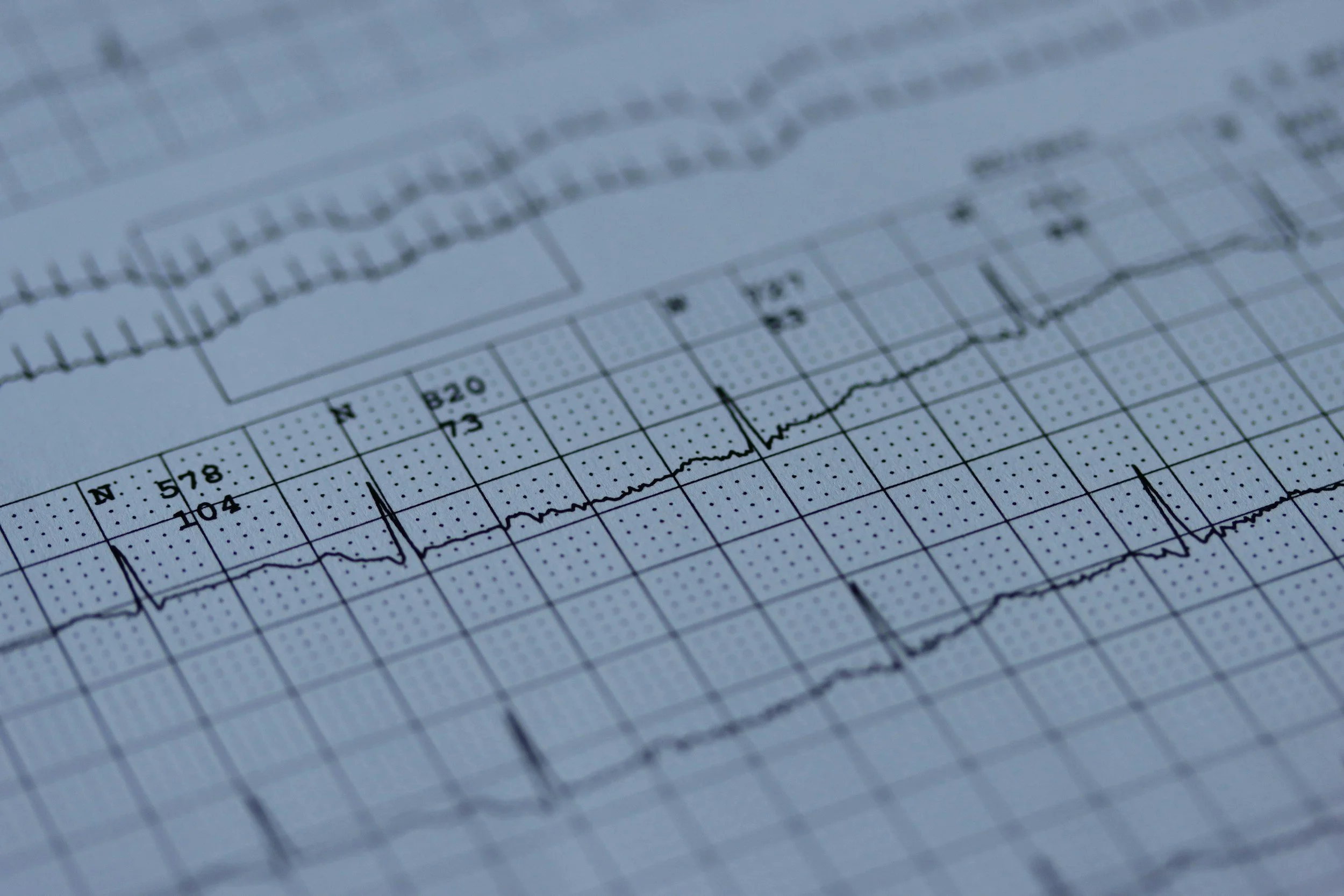
A single 12-lead ECG captures roughly 10 seconds of cardiac activity. A 24-hour Holter monitor — the traditional "gold standard" — still misses the majority of paroxysmal AFib episodes. Extended monitoring (7-30 days) and implantable loop recorders have dramatically improved detection, but they require clinicians to suspect AFib in the first place.
The Most Feared Complication: Stroke
AFib isn't just an annoyance of palpitations and fatigue. Its most devastating consequence is stroke — and specifically, cardioembolic stroke, which tends to be larger, more disabling, and more deadly than other stroke types.
The statistics are sobering:
- AFib increases stroke risk 5-fold
- Stroke is the leading cause of permanent disability in developed countries
- AFib-related strokes account for 15-20% of all ischemic strokes
- One in four strokes in patients over 80 is attributable to AFib
- Many patients discover they have AFib only after their stroke — when it's too late for primary prevention
The mechanism is straightforward but lethal: when the atria fibrillate rather than contract effectively, blood pools in the left atrial appendage (LAA). This stagnant blood forms clots. When a clot dislodges, it travels directly to the brain — causing a "brain attack."
For more on this topic, see our CardioAdvocate phenotype: "Brain Attack: How Recognizing Heart Disease May Save Your Brain."
The Cardiometabolic Web
AFib does not exist in isolation. It travels with company — a constellation of cardiometabolic conditions that both cause AFib and are worsened by it:
- Obesity: Excess adipose tissue promotes atrial remodeling, inflammation, and pericardial fat deposition that directly touches the heart
- Obstructive Sleep Apnea (OSA): Repetitive hypoxia-reoxygenation cycles, intrathoracic pressure swings, and autonomic dysregulation create a perfect storm for atrial arrhythmogenesis
- Heart Failure with Preserved Ejection Fraction (HFpEF): Diastolic dysfunction and elevated filling pressures stretch the left atrium — a setup for AFib
- Chronic Kidney Disease (CKD): Volume overload, electrolyte disturbances, and uremic toxins contribute to atrial substrate abnormalities
- Hypertension: Left ventricular hypertrophy begets left atrial dilation begets AFib
- Diabetes and Insulin Resistance: Glycemic variability and metabolic dysfunction promote atrial fibrosis
SGLT2 Inhibitors and AFib: A Cardiometabolic Drug, Not an Antiarrhythmic
If you’ve heard buzz about SGLT2 inhibitors (dapagliflozin, empagliflozin) being “the new antiarrhythmics” for AFib, here’s the straight story.
Meta-analyses of cardiovascular outcome trials show SGLT2 inhibitors reduce incident AFib by about 14% across 52 trials (EHJ Cardiovasc Pharmacother, 2025). Observational data from post-ablation patients with diabetes or heart failure show even larger effects — up to a 41% reduction in AFib recurrence. So the question naturally arose: should we just put everyone with AFib on an SGLT2 inhibitor?
The 2026 DARE-AF randomized trial (Circulation, 2026) gives us the answer: no. In 200 patients with persistent AFib undergoing first-time catheter ablation who did not have diabetes, heart failure, or chronic kidney disease, three months of dapagliflozin 10 mg daily had zero effect on AFib burden (7.5% vs. 8.1%) or recurrence (29.5% vs. 28.0%) compared with usual care.
A 2026 Circulation editorial (Overstretching the Evidence) puts it best: the antiarrhythmic-class label is a stretch the data won’t bear. That doesn’t diminish what SGLT2 inhibitors do for the patients who genuinely need them — it just sharpens the prescribing logic.
A 2025–2026 meta-analysis of 10 RCTs (28,712 patients with chronic kidney disease) reinforces exactly this distinction: SGLT2 inhibitors reduced the composite risk of AFib/AFL by 27% (0.65% vs. 0.91%; RR 0.73) specifically in patients with CKD (PMC, 2025), with mechanistic reviews pointing to improved myocardial energetics and reduced atrial fibrosis as the likely drivers — the same reverse-remodeling story, in the same CKD/HF/diabetes population where DARE-AF’s metabolically healthy patients saw nothing.
July 2026 Update — Stacking a GLP-1 RA on Top Adds Further Protection. A narrative review in Metabolism and a new Heart Rhythm Society report converge on a related finding: patients on both a GLP-1 receptor agonist and an SGLT2 inhibitor show a lower risk of new-onset atrial arrhythmias than those on an SGLT2 inhibitor alone, with incremental benefit extending to heart failure exacerbations and acute kidney injury. The proposed mechanism fits the same reverse-remodeling story above — weight-loss-mediated reduction in left atrial pressure, less systemic inflammation, and prevention of atrial remodeling. This is observational, so it’s not a reason to start a GLP-1 RA for AFib prevention alone — but for patients already on an SGLT2 inhibitor for HF, CKD, or diabetes, it’s one more data point in favor of the combination. A dedicated trial (NCT07482020) is now enrolling to test SGLT2 inhibitors specifically on left atrial function in paroxysmal AF.
Self-advocacy question: “Do I have heart failure, CKD, or diabetes? If yes, an SGLT2 inhibitor may help my AFib substrate. If no, what’s the actual evidence that an SGLT2 inhibitor will help my AFib?”
Finerenone and the CKM-AFib Connection: A New Upstream Benefit. The FINE-HEART pooled analysis (JACC, 2026)—pooling FIDELIO-DKD and FIGARO-DKD—adds finerenone to the list of cardiometabolic drugs with demonstrated AF-prevention properties. Over 2.9 years, new-onset AF/AFL occurred in 3.9% of finerenone-treated participants vs. 4.7% with placebo (HR 0.83; 95% CI 0.71–0.97; P = 0.019)—a 17% relative risk reduction consistent across the full cardiovascular-kidney-metabolic (CKM) spectrum. Independent predictors of new-onset AF/AFL included older age, history of HF, higher BMI, and elevated UACR—precisely the patients who are already CKM finerenone candidates. The mechanism mirrors SGLT2 inhibitors: anti-fibrotic and anti-inflammatory effects addressing the atrial substrate, not direct ion-channel blockade. Self-advocacy question: “If I have CKD, diabetes, or HFpEF and I’m already a candidate for finerenone, does this AF-prevention benefit change the urgency of starting it?”
AFib and OSA: Drinking Buddies
If cardiometabolic diseases were a group of friends at a bar, AFib and OSA would be sitting together in the corner booth, enabling each other's bad habits.
The relationship is bidirectional and profound:
- OSA prevalence in AFib patients: 50-80%
- AFib prevalence in severe OSA: Up to 4x higher than the general population
- Recurrence of AFib after cardioversion or ablation: Dramatically higher in untreated OSA (See SLEEP-AF Study)
OSA creates the conditions for AFib through multiple mechanisms:
- Intermittent hypoxia triggers oxidative stress and atrial fibrosis
- Negative intrathoracic pressure during obstructed breaths stretches the atria
- Autonomic nervous system dysfunction promotes arrhythmia triggers
- Systemic inflammation accelerates atrial remodeling
And yet — despite this overwhelming evidence — OSA remains vastly underdiagnosed in the AFib population. Patients are treated with anticoagulants, rate-control medications, and expensive ablation procedures while the underlying OSA goes unaddressed.
The Other Drinking Buddy: Alcohol
Given the title of this article, we'd be remiss not to discuss the actual drinking buddy: alcohol. The relationship between alcohol and AFib is well-established and clinically important.
"Holiday Heart Syndrome" — a term coined in 1978 — describes the acute onset of AFib following binge drinking, typically 12-36 hours after cessation. But the relationship goes beyond weekend binges. A comprehensive JACC review on Alcohol and Atrial Fibrillation revealed sobering data:
- For each additional alcoholic drink per day, AFib incidence increases 8%
- Even one drink in the preceding 4 hours is associated with 2-fold higher odds of an AFib episode
- Two or more drinks: 3-fold higher odds of triggering AFib
- Heavy habitual alcohol consumption is a more important risk factor than obesity or hypertension for AFib
Alcohol triggers AFib through multiple mechanisms: direct toxic effects on atrial myocytes, autonomic dysfunction, electrolyte disturbances, and activation of stress kinases that promote arrhythmogenicity.
The clinical implication is clear: for patients with AFib — or those at risk — alcohol reduction or abstinence should be part of the treatment plan. This isn't just about avoiding binge drinking; even moderate daily consumption increases risk.
The Endurance Athlete Paradox
Perhaps the cruelest irony in AFib epidemiology: the individuals who dedicate their lives to cardiovascular fitness may be placing themselves at significantly increased risk of the very arrhythmia they're trying to prevent.
The data are striking. A meta-analysis of endurance athletes found a 5-fold increased risk of developing AFib among older endurance athletes compared to non-athletes. Some studies report prevalence up to 10 times higher in elite athletes engaged in long-term endurance training.
Key findings from the research:
- Cross-country skiers: A landmark study of 52,755 Swedish skiers found that faster finishing times and more races completed correlated with higher AFib risk
- Long-term prevalence: After 28-30 years of follow-up, 12.8% of high-performance endurance athletes had "lone AFib"
- Cyclists vs. Golfers: Former professional cyclists had a 10% prevalence of AFib vs. 0% in golfers who never did endurance training
- Dose-response: A JACC Clinical Electrophysiology study found athletes with >2,000 cumulative hours of high-intensity exercise had nearly 4-fold increased AFib risk (OR 3.88)
- The U-shaped curve: Moderate exercise is protective, but extreme endurance training tips the scales the other way
The Mechanism: "Athletic Heart" Remodeling
Years of extreme endurance training leads to structural and electrical remodeling that creates an AFib substrate:
- Chronic volume loading: The heart adapts to accommodate high cardiac output demands, leading to chamber enlargement — particularly the left atrium
- Atrial fibrosis and scarring: Repeated bouts of intense exercise cause micro-injury and inflammation; over time, this results in fibrotic tissue that disrupts normal electrical conduction
- Vagal enhancement: The bradycardia of the "athlete's heart" reflects increased parasympathetic tone, which paradoxically can promote AFib through shortened atrial refractory periods
- Repetitive inflammation: Even a single mountain marathon causes transient spikes in cardiac biomarkers and slowed atrial conduction — multiply this over decades
The "Healthy Athlete Bias"
Ironically, these fit individuals often fall through the cracks of the healthcare system. They and their clinicians place too much emphasis on "modifiable risk factors" — diet, exercise, smoking — while disproportionately ignoring non-modifiable risk factors like genetics and, importantly, the structural consequences of extreme training itself. As we discuss in our phenotype "Killer Workouts: The Adult Athlete," healthy-appearing athletes get less attention from the healthcare system — not more.
Notably, this increased risk appears predominantly in men. Female endurance athletes do not show the same elevated AFib risk — possibly due to cardioprotective effects of estrogen that stabilize heart adaptations.
CardioAdvocate Checklist
If you have AFib — or suspect you might:
Questions to Ask Your Clinician:
- "Should I be screened for sleep apnea?"
- "How much alcohol is safe for me to drink?"
- "Given my endurance training history, am I at higher risk for AFib?"
- "How will you monitor me for AFib if my ECG is normal today?"
- "What is my stroke risk and do I need blood thinners?"
- "I'm on a blood thinner — could any of my other medications increase my bleeding risk?"
- "If I can't take blood thinners, is a Watchman device an option for me?"
- "If I lose weight and address my risk factors, can I reduce my AFib burden?"
- "Should I be asking about ablation?"
Deep Dive
The Case for Early Ablation
For decades, catheter ablation was reserved as a "last resort" for AFib — something to consider after medications failed and the arrhythmia became unbearable. But a growing body of evidence suggests we've had it backwards. Earlier referral for ablation may actually improve long-term outcomes.
The rationale is straightforward: AFib begets AFib. The longer the atria spend in fibrillation, the more remodeling occurs — electrical, structural, and fibrotic changes that make the arrhythmia increasingly difficult to treat. Left atrial dilation progresses. Fibrosis accumulates. The substrate becomes more entrenched.
The EAST-AFNET 4 Trial
The EAST-AFNET 4 Trial (Early Treatment of Atrial Fibrillation for Stroke Prevention Trial) fundamentally changed our understanding of rhythm control timing. This landmark study randomized over 2,700 patients with early AFib (diagnosed within 12 months) to either early rhythm control or usual care.
Key findings:
- Early rhythm control reduced the composite of cardiovascular death, stroke, and heart failure hospitalization by 21%
- The benefit was consistent across subgroups, including those with heart failure
- Earlier intervention — within the first year of diagnosis — was associated with better outcomes than delaying rhythm control
The 2023 ACC/AHA/ACCP/HRS Guideline for AFib now reflects this evidence, emphasizing early rhythm control as a Class I recommendation for suitable patients. The guidelines specifically note that catheter ablation is reasonable as first-line rhythm control therapy for selected patients who prefer this approach.
Why does timing matter?
- Less remodeling: Early intervention may prevent or slow the progression of atrial structural changes
- Less fibrosis: Fibrotic substrate is harder to ablate and associated with higher recurrence rates
- Higher success rates: Ablation performed earlier in the disease course — particularly for paroxysmal rather than persistent AFib — has better long-term freedom from recurrence
- Potential disease modification: Rather than just symptom control, early ablation may actually alter the natural history of AFib progression
2026 Update — AF + HFpEF: Pulsed Field Ablation Emerges
The intersection of atrial fibrillation and heart failure with preserved ejection fraction (HFpEF) represents one of the most challenging scenarios in cardiovascular medicine. These conditions share bidirectional causality: AFib worsens diastolic function through loss of atrial kick and rapid ventricular rates, while HFpEF promotes AFib through elevated filling pressures and left atrial stretch. Breaking this vicious cycle has proven difficult.
Enter pulsed field ablation (PFA) — a novel non-thermal ablation technology that uses high-voltage electrical fields to create tissue-selective lesions. Unlike traditional radiofrequency or cryoablation, PFA preferentially affects cardiac myocytes while sparing surrounding structures like the esophagus, phrenic nerve, and pulmonary veins. This selectivity is particularly appealing in the HFpEF population, where preserving atrial compliance and function is critical.
The CABA-HFpEF-DZHK27 trial is now underway — a randomized controlled trial comparing catheter ablation to usual care specifically in patients with AF and HFpEF. Early mechanistic data suggest that PFA may offer unique advantages in this population by preserving atrial mechanical function better than thermal ablation techniques.
The ADVENT-LTO study (Nature Medicine, April 2026) now provides the longest randomized follow-up of PFA vs. thermal ablation — 4 years in 364 patients. Freedom from repeat ablation was 85.6% PFA vs. 78.6% thermal (HR 0.64), with fewer reablations (10.4% vs. 17.7%). No new long-term safety signals emerged. PFA lesions appear at least as durable as thermal lesions — and may be more complete.
At EHRA 2026 (Paris, April 2026), PFA’s maturation accelerated further. VARIPURE (Johnson & Johnson) reported interim 12-month results: 84.2% freedom from all documented atrial arrhythmia recurrence overall — 90.5% for paroxysmal AF and 75.3% for persistent AF. ADVENT (Boston Scientific/Farapulse) reported 65% efficacy in persistent AF at one year — competitive with thermal ablation benchmarks in this more challenging population. A comprehensive 2026 HRS/EHRA Joint Scientific Statement on PFA was released during the congress, establishing a shared framework for biophysics, device engineering, and clinical workflows. Heart Rhythm 2026 in Chicago (April 23–26) is expected to bring additional PFA data.
Then HRS 2026 delivered the headline. The AVANT-GUARD trial (NEJM, April 2026) — led by Cleveland Clinic and presented as a late-breaker at HRS 2026 in Chicago — is the first randomized controlled trial of PFA as first-line therapy in persistent AF, before antiarrhythmic drugs are tried. At 12 months, freedom from atrial arrhythmia recurrence was 56.0% with PFA vs. 30.1% with antiarrhythmic drugs — a 54% relative reduction in treatment failure. Device- and procedure-related serious adverse events occurred in 5.1% of PFA patients, with the now-familiar tissue-selectivity advantage sparing the esophagus and phrenic nerve. This is the trial that closes a long-standing evidence gap: until April 2026, every major PFA RCT had enrolled predominantly paroxysmal AF, leaving the persistent-AF question unanswered. AVANT-GUARD answers it definitively. For patients with persistent AF, the question is no longer “should I try drugs first?” but “why not consider PFA up front?”
The newest entrant is the VOLT-AF IDE study (JACC: Clinical Electrophysiology, 2026), which reports 1-year outcomes for a novel balloon-in-basket PFA catheter that integrates mapping directly into the ablation device. Among 320 treated patients (165 paroxysmal AF, 155 persistent AF), primary effectiveness was 81.1% in paroxysmal AF and 63.3% in persistent AF, with freedom from documented arrhythmia recurrence of 84.2% (PAF) and 67.8% (PeAF). The safety profile was excellent — primary safety events in only 1.9% of patients, with zero events in the paroxysmal-AF group. Among 19 patients who underwent redo ablation, 78.5% of pulmonary veins remained durably isolated, suggesting robust lesion quality. The conformable balloon-in-basket design adapts to variable pulmonary vein anatomy for deeper, more consistent lesions and less hemolysis than earlier-generation PFA catheters. A companion device now allows real-time visualization of tissue contact during ablation, and early case series are testing focal PFA for ventricular arrhythmias — signaling that PFA's tissue-selectivity advantage may eventually extend beyond the atrium. (Abbott clinical evidence summary)
Reinforcing this shift, the ADVANTAGE AF study (JACC, 2025–2026) — the first large prospective pivotal study of pentaspline PFA specifically in persistent AF — reported 1-year outcomes using a pulmonary vein isolation plus posterior wall ablation (PVI+PWA) strategy: 85.3% of patients were free from symptomatic AF at one year, and 80.8% maintained an atrial arrhythmia burden below 10%. A 2026 meta-analysis pooling PFA against conventional thermal ablation across multiple studies found significantly lower AF recurrence with PFA (risk ratio 0.67) and acute procedural success in 99.1% of treated pulmonary veins, with favorable safety even in elderly patients (tamponade 1.5%, stroke 1.3%). Taken together with AVANT-GUARD and VOLT-AF, the old caution that “PFA is only proven for paroxysmal AF” no longer holds — persistent AF now has Level B evidence supporting PFA with a PVI+PWA approach.
July 2026 Update — PFA vs. Cryoballoon, Head-to-Head. A Swiss multicenter randomized trial in the New England Journal of Medicine directly compared PFA to cryoballoon ablation for paroxysmal AF, with every patient fitted with an implantable loop recorder for continuous rhythm monitoring — a more rigorous design than earlier PFA studies. PFA was noninferior to cryoballoon for AF recurrence, and clearly ahead on procedural metrics: first-pass pulmonary vein isolation in 98.8% of veins with PFA vs. 81.5% with cryoballoon, and a complication rate of 3.4% vs. 8.6%. A companion JACC: Cardiovascular Interventions meta-analysis of six studies (1,928 patients) found a 33% lower AF recurrence risk with PFA over conventional thermal ablation. This is the first randomized, continuously-monitored trial to pit PFA directly against a thermal technique — and it reinforces PFA's emerging status as the preferred energy source for paroxysmal AF ablation.
July 2026 — The Sham-Controlled Trial That Answers the "Is It Just the Procedure?" Question. Every ablation trial to date has been unblinded — patients and physicians both know who got the procedure, leaving room to argue that some of the benefit is a placebo effect rather than a true rhythm-control effect. The PFA-SHAM trial (Circulation, 2026), led by Vivek Reddy, MD (Icahn School of Medicine at Mount Sinai), closes that gap: 60 highly symptomatic patients with paroxysmal or persistent AF were randomized to PFA or a sham procedure (deep sedation without ablation), with an implantable loop recorder in every patient to remove any subjectivity from outcome assessment. At 6 months, freedom from recurrent atrial arrhythmias was 94% with PFA vs. 17% with sham (posterior probability of superiority >99.99%), and quality-of-life scores (AFEQT) improved by roughly 40 points with PFA vs. 10 points with sham — a gap no placebo effect can explain. Self-advocacy note: if you've been told ablation benefits are "mostly in your head," PFA-SHAM is the level of evidence that puts that argument to rest.
The LEGACY Trial: Proof That Weight Loss Works
For years, the relationship between obesity and AFib was observational — we knew they traveled together, but could weight loss actually reduce AFib burden?
The LEGACY trial (Long-Term Effect of Goal-directed weight management in an Atrial fibrillation Cohort), published in JACC 2015 by Pathak, Middeldorp, and colleagues from the University of Adelaide, provided the answer.
Study Design: 355 patients with AFib and BMI ≥ 27 kg/m². Enrolled in a structured weight management program. Followed for approximately 5 years. AFib burden assessed by 7-day Holter monitoring annually.
Key Findings:
Patients were categorized by weight loss achieved:
- ≥10% weight loss: 6-fold greater likelihood of AFib-free survival — Significant reduction in AFib symptom burden and severity. Many achieved freedom from AFib without antiarrhythmic drugs or ablation
- 3-9% weight loss: Modest improvement in AFib outcomes
- <3% weight loss: No significant improvement
The dose-response relationship was striking: the more weight lost, the greater the benefit. And importantly — weight fluctuation (yo-yo dieting) was associated with worse outcomes, suggesting that sustained weight management is critical.
The Mechanism: "Sick Fat" and Pericardial Adiposity
Why does weight loss reduce AFib burden? The answer lies not just in losing weight, but in losing the right kind of fat — specifically, visceral adipose tissue, and most importantly, pericardial and epicardial fat that directly contacts the heart.
Visceral fat — particularly the fat surrounding the heart — is not merely passive storage tissue. It is metabolically active and, when pathologically expanded, becomes what Harold Bays MD and the National Lipid Association have termed "adiposopathy" or "sick fat." This dysfunctional adipose tissue:
- Secretes pro-inflammatory cytokines (IL-6, TNF-α, IL-1β) that promote atrial inflammation and fibrosis
- Infiltrates the atrial myocardium directly — epicardial fat literally touches the left atrial wall with no fascial barrier
- Promotes oxidative stress and electrical remodeling that creates an arrhythmogenic substrate
- Correlates with the "Atherogenic Triad" (high triglycerides, low HDL-C, elevated small dense LDL particles) — another manifestation of metabolic dysfunction
The Framingham Heart Study demonstrated that pericardial fat volume is independently associated with prevalent AFib, even after adjusting for BMI. It's not about being heavy — it's about where the fat lives and how it behaves.
Weight loss — particularly through structured programs that reduce visceral adiposity — shrinks this "sick fat," reduces the inflammatory milieu surrounding the atria, and allows reverse remodeling. This explains why sustained weight loss can produce such dramatic improvements in AFib burden.
A landmark 2025 JACC State-of-the-Art Review by Dr. Milton Packer — "The Adipokine Hypothesis of Heart Failure With a Preserved Ejection Fraction" — now provides the mechanistic framework for understanding exactly why this happens. Packer demonstrates that dysfunctional visceral fat secretes an altered suite of signaling molecules (adipokines) that drive inflammation, fibrosis, sodium retention, and cardiac remodeling. The inflammatory cytokines that this "pissed off fat" deposits directly onto the atrial myocardium via epicardial adipose tissue are precisely the Domain III adipokines that Packer identifies as the primary drivers of both HFpEF and the atrial inflammation that seeds AFib. This adipokine dysregulation explains the bidirectional relationship between AFib and HFpEF — they share a common upstream source in adiposopathy — and it explains why SGLT2 inhibitors and GLP-1 receptor agonists, which shrink visceral fat and restore healthier adipokine signaling, show benefits across both conditions.
For more on these concepts, see our CardioAdvocate phenotypes: "Atherogenic Triad" and Visceral Adiposopathy — Understanding "sick fat" and cardiometabolic risk (coming soon)
The CARDIO-FIT Study: Exercise Adds to the Benefit
The same Adelaide research group followed LEGACY with the CARDIO-FIT study (JACC 2015), examining whether cardiorespiratory fitness independently affects AFib outcomes.
Key Findings:
- Patients who improved their cardiorespiratory fitness by ≥2 METs had significantly better AFib outcomes
- Fitness improvement was associated with reduced AFib burden independent of weight loss
- Cardiorespiratory fitness gain provides a 12% incremental gain over weight-loss alone in AFib-free survival
- Combined weight loss AND fitness improvement produced the greatest benefit
The Clinical Implication
Weight loss and exercise are not interchangeable — they provide additive benefit. A patient who loses weight but remains sedentary does not achieve the full potential benefit. Similarly, a patient who exercises vigorously but maintains obesity still carries excess AFib risk.
The optimal approach: sustained weight loss combined with improved cardiorespiratory fitness.
Important distinction: The exercise that benefits AFib patients in CARDIO-FIT is moderate exercise that improves fitness — not the extreme endurance training that causes AFib in athletes. The relationship between exercise and AFib follows a U-shaped curve.
A Critical Drug Interaction: Diltiazem and DOACs
Many AFib patients take diltiazem (a calcium channel blocker) for rate control alongside a DOAC for stroke prevention. A 2026 study published in the Annals of Internal Medicine identified a clinically significant drug interaction: diltiazem inhibits CYP3A4 and P-glycoprotein, the same pathways that metabolize apixaban and rivaroxaban. Co-prescribing diltiazem with DOACs increases bleeding risk — and the risk rises with diltiazem doses above 120 mg/day and in patients with higher baseline bleeding risk (elevated HAS-BLED scores, advanced age).
Clinical action items:
- Consider metoprolol for rate control when a DOAC is prescribed. Metoprolol does not inhibit CYP3A4 or P-gp and avoids this interaction entirely.
- If diltiazem is essential (e.g., beta-blocker intolerance, COPD, or superior rate control needed), use the lowest effective dose and counsel patients on bleeding symptoms.
- Do not empirically reduce the DOAC dose to compensate — the study did not assess whether dose reduction maintains stroke-prevention efficacy.
- Review all CYP3A4/P-gp inhibitors at DOAC initiation — verapamil and clarithromycin carry similar interaction risk.
Between a Rock and a Hard Place: Left Atrial Appendage Occlusion
For most patients with AFib and elevated stroke risk, anticoagulation is the cornerstone of stroke prevention. But what about patients who can't tolerate blood thinners?
Some patients find themselves caught between a rock and a hard place:
- High stroke risk from AFib (CHA₂DS₂-VASc ≥2)
- High bleeding risk that makes long-term anticoagulation dangerous (prior intracranial hemorrhage, recurrent GI bleeding, falls risk, etc.)
For these patients, left atrial appendage occlusion (LAAO) offers an alternative. Because over 90% of AFib-related clots form in the left atrial appendage, mechanically closing off this structure can dramatically reduce stroke risk without requiring lifelong anticoagulation.
Available devices include:
- Watchman FLX (Boston Scientific) — the most widely implanted LAAO device, with extensive clinical trial data
- Amulet (Abbott) — a newer device with a dual-seal design
- AnchorMan — a newer device shown noninferior to Watchman 2.5 in the 2026 SAFE-PROTECT randomized trial (98.1% clinical success in both arms), with a lower rate of significant peridevice leak; EU MDR certified March 2025
Who is a candidate for LAAO?
- Patients with non-valvular AFib and elevated stroke risk
- Contraindication or intolerance to long-term anticoagulation
- High bleeding risk (HAS-BLED score ≥3)
- Patient preference to avoid lifelong blood thinners
The PROTECT AF and PREVAIL trials demonstrated that Watchman was non-inferior to warfarin for stroke prevention, with lower rates of major bleeding over time. Long-term follow-up shows sustained benefit.
Fast forward to 2026: The CHAMPION-AF Trial (published simultaneously in NEJM) randomized 3,000 AFib patients to Watchman FLX vs. physician-directed Direct Oral Anticoagulants therapy. The results reframe LAAO for a new era: the primary composite outcome of stroke, cardiovascular death, and systemic embolism occurred in 5.7% with the device vs. 4.8% with NOAC — meeting noninferiority threshold (P<0.001). But here's the crucial finding for high-bleeding-risk patients: non-procedure-related bleeding was 10.9% with LAAO vs. 19.0% with NOAC (P<0.001). For patients at substantial bleeding risk, this represents a meaningful reduction in the bleeding burden of stroke prevention.
Anticoagulation with DOACs remains first-line therapy for most patients with AFib and elevated stroke risk. However, CHAMPION-AF now provides robust randomized evidence that left atrial appendage occlusion is a legitimate, evidence-supported alternative for two distinct patient populations: (1) those at high bleeding risk who cannot safely tolerate long-term anticoagulation, and (2) those who, after thorough shared decision-making, prefer device therapy to lifelong DOAC dependence. For these carefully selected patients, LAAO can be a life-changing option.
OSA Treatment and AFib: The CPAP Question
Multiple studies suggest that CPAP therapy for OSA reduces AFib recurrence after cardioversion and ablation. The SLEEP-AF Study (JACC 2022) demonstrated that CPAP therapy results in actual reversal of atrial remodeling:
- Patients with OSA who are compliant with CPAP have significantly lower AFib recurrence after ablation
- Non-compliant CPAP users have outcomes similar to untreated OSA patients
- The benefit requires actual use of the therapy — owning a CPAP machine that sits in the closet doesn't count
This has implications for AFib management: screening for OSA, initiating treatment, and ensuring compliance should be part of comprehensive AFib care.
Treating the Substrate, Not Just the Rhythm
The traditional approach to AFib focuses on:
- Rate control (slowing the heart rate during AFib)
- Rhythm control (cardioversion, antiarrhythmic drugs, ablation)
- Anticoagulation (preventing stroke)
What's missing? Substrate modification — addressing the underlying conditions that create and perpetuate the arrhythmia.
The LEGACY and CARDIO-FIT trials, along with growing evidence around OSA treatment, suggest that aggressive management of cardiometabolic risk factors should be a first-line therapy for AFib — not an afterthought. The 2023 ACC/AHA AFib Guidelines now emphasize this strongly.
Consider the patient who undergoes an expensive catheter ablation for AFib but continues to have untreated severe OSA and persistent obesity. The recurrence rate? Unacceptably high. The ablation may have "worked" technically, but the substrate that created AFib in the first place remains.
The Bottom Line
Atrial fibrillation is not just an electrical problem — it's a cardiometabolic disease. And its most feared complication — stroke — is preventable.
Catching AFib requires vigilance, because it hides. It comes and goes. It happens during sleep. It doesn't always announce itself with dramatic palpitations. And sometimes, the first sign is a devastating stroke.
Managing AFib requires more than pills and procedures. It requires addressing the drinking buddies: obesity, sleep apnea, actual alcohol, and — paradoxically — even extreme exercise.
The "sick fat" surrounding your heart matters. The sleep apnea stretching your atria matters. The alcohol triggering Holiday Heart matters. And for endurance athletes, the structural remodeling from decades of training matters too.
The LEGACY trial taught us that sustained weight loss can produce 6-fold improvements in AFib-free survival. The CARDIO-FIT study showed that fitness matters independently. And the overwhelming evidence linking OSA and alcohol to AFib demands that we screen, counsel, treat, and ensure compliance.
For stroke prevention, anticoagulation saves lives. And for those who can't tolerate blood thinners, left atrial appendage occlusion offers a way out of the rock-and-hard-place dilemma.
If you have AFib — or if you have the risk factors that predict it — advocate for comprehensive evaluation. Ask about sleep apnea. Understand your metabolic health. Know your stroke risk. Recognize that the path to better AFib control may run through the gym and the sleep lab, not just the cath lab.
Your heart is listening to your whole body. Make sure someone is listening to your heart.
References & Resources
Guidelines
- 2023 ACC/AHA/ACCP/HRS Guideline for the Diagnosis and Management of Atrial Fibrillation
- AHA Professional Heart Daily: AFib Guideline Resources
Landmark Trials — Rhythm Control & Ablation
- EAST-AFNET 4 Trial — Early rhythm control reduces CV death, stroke, and HF hospitalization
- 2023 ACC/AHA AFib Guidelines (Full Text) — Class I recommendation for early rhythm control
AF + HFpEF and Pulsed Field Ablation (2026 Update)
- 2026 HRS/EHRA Scientific Statement on Pulsed Field Ablation — First comprehensive joint statement on PFA for cardiac arrhythmias (Heart Rhythm, April 2026)
- Full PFA Scientific Statement (Heart Rhythm Journal)
- EHRA 2026 PFA Summit — Dedicated PFA implementation summit, Paris, April 12–14
- CABA-HFpEF-DZHK27 Trial — Catheter ablation vs usual care in AF + HFpEF
- Pulsed Field Ablation and HFpEF: Emerging Data
- VOLT-AF IDE Study — 1-Year Outcomes, Balloon-in-Basket PFA (JACC: Clinical EP, June 2026)
- VOLT-AF IDE Trial — Acute Results (Heart Rhythm)
- ADVANTAGE AF — 1-Year Outcomes of PFA for Persistent AF (JACC, 2025–2026)
- Meta-Analysis: PFA vs. Conventional Thermal Ablation for AF (2026)
Landmark Trials — Weight Loss & Fitness
- LEGACY Trial (JACC 2015) — Weight loss and AFib-free survival
- CARDIO-FIT Study (JACC 2015) — Cardiorespiratory fitness and AFib outcomes
OSA and AFib
- SLEEP-AF Study (JACC Clin Electrophysiol 2022) — CPAP and atrial remodeling
Visceral Adiposity and Pericardial Fat
- Framingham Heart Study: Pericardial Fat and CV Disease (Eur Heart J 2009)
- NLA Adiposopathy Consensus Statement — "Sick Fat" and cardiometabolic disease
Alcohol and AFib
Endurance Athletes and AFib
- Endurance Sport Activity and Risk of AF (Arrhythmia & Electrophysiology Review)
- Cross-Country Skiers: Long-Term AF Incidence (Circulation 2019)
- Atrial Fibrillation in Athletes: A Lesson in Moderation (JACC Clin Electrophysiol 2017)
Stroke Prevention and LAAO
- PROTECT AF Trial (NEJM 2009) — Watchman vs. warfarin
- PREVAIL Trial (JACC 2014) — Watchman long-term outcomes
- CHAMPION-AF Trial (NEJM 2026) — Watchman FLX vs. NOAC therapy; superior bleeding reduction
- Watchman Device Information
- Abbott Amulet Device Information
- SAFE-PROTECT Trial (EuroIntervention 2026) — AnchorMan vs. Watchman 2.5, 12-month results
Electrolyte Management and Arrhythmia Prevention
- POTCAST Trial (NEJM) — Targeting potassium 4.5–5.0 mmol/L in ICD patients reduces primary arrhythmia endpoint by 24%
- NEJM Editorial — Targeting Potassium for Arrhythmia Prevention
Screening Tools
- STOP-BANG Score for Obstructive Sleep Apnea (MDCalc)
- CHA₂DS₂-VASc Score for AFib Stroke Risk (MDCalc)
- HAS-BLED Score for Major Bleeding Risk (MDCalc)
Cardiac Monitoring Devices
- iRhythm Zio® Extended Cardiac Monitoring — Continuous ambulatory monitoring up to 14 days
- Medtronic LINQ II™ Insertable Cardiac Monitor — Implantable loop recorder with 3-year monitoring
- Abbott Confirm Rx™ Insertable Cardiac Monitor — Smartphone-compatible ICM with Bluetooth
Related CardioAdvocate Content
- Brain Attack: How Recognizing Heart Disease May Save Your Brain — AFib, stroke, and prevention
- Killer Workouts: The Adult Athlete — Sudden cardiac death risk and the "healthy athlete bias"
- Atherogenic Triad — The dangerous lipid phenotype associated with visceral adiposity
- Visceral Adiposopathy — Understanding "sick fat" and cardiometabolic risk (coming soon)
Content on CardioAdvocate.com is for educational purposes only and does not constitute medical advice. No physician–patient relationship is created. Always consult a qualified healthcare professional for medical concerns.
