
The Wild, Wild West
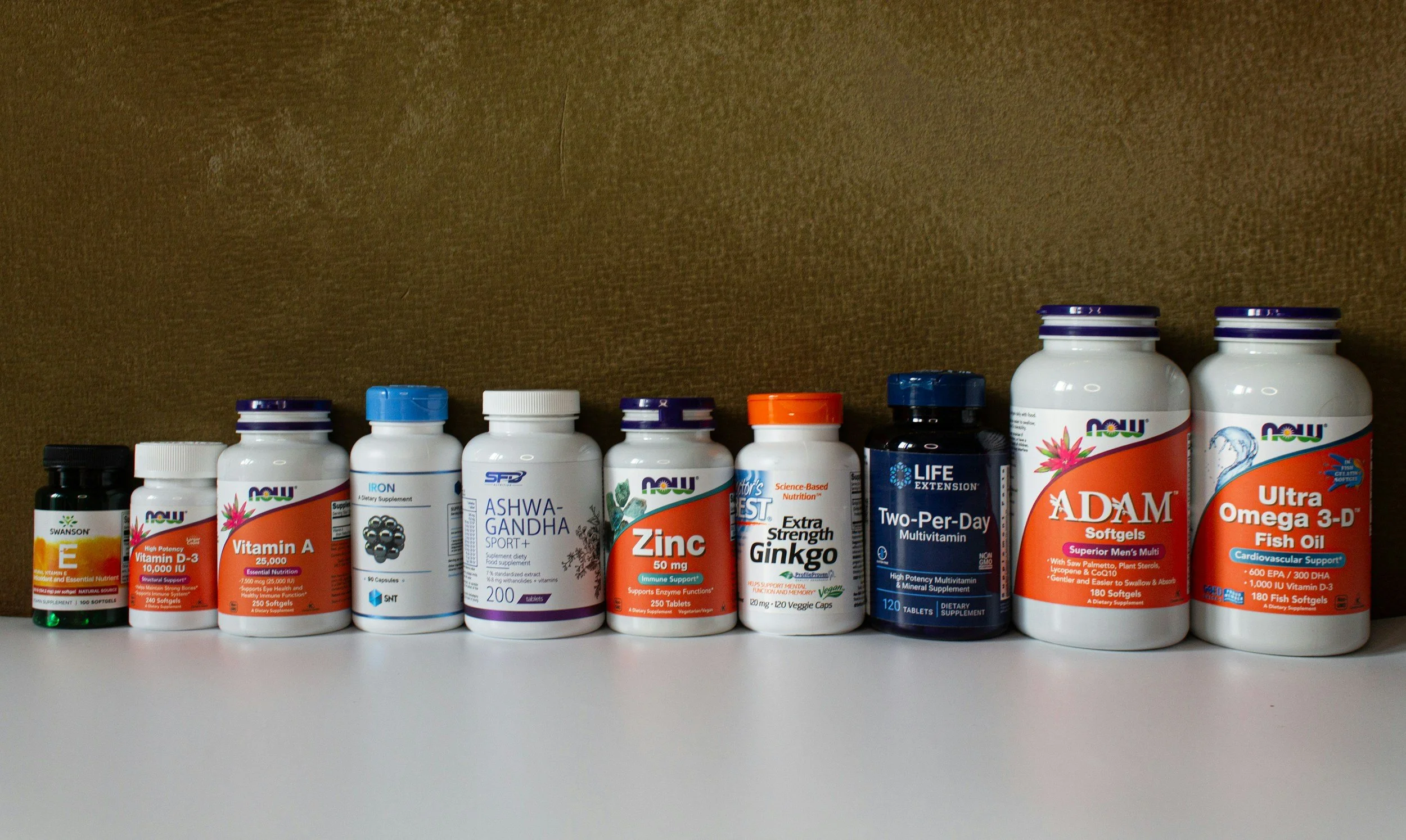
Case Presentation
The Supplement List
Mrs. D. is a 58-year-old woman with atrial fibrillation, hypertension, and mildly elevated cholesterol. She arrives at her cardiology appointment carrying a folded sheet of paper — her supplement list.
She hands it across the desk. It reads:
- Nattokinase — "for natural blood thinning"
- Red yeast rice — "instead of a statin"
- Vitamin K2 — "to clear the calcium from my arteries"
- Fish oil (store-bought) — "for my heart"
- Magnesium glycinate — "for palpitations"
- CoQ10 — "because statins deplete it"
- Turmeric with black pepper — "for inflammation"
- Berberine — "nature's Ozempic"
She asks: "Are these safe with my medications? Are they working? Which ones should I keep?"
The Clinician's Dilemma: Her cardiologist pauses. Not because he doesn't care. Not because he hasn't heard of these products. He pauses because he is being asked to render medical judgment on eight products that have never been submitted to the FDA for safety review, have no standardized dosing, no required purity testing, no mandated labeling accuracy, and no randomized controlled trial data supporting cardiovascular benefit. He has no idea what's actually in them. Neither does anyone else.
He can see that she's taking nattokinase instead of her prescribed anticoagulant for atrial fibrillation — a decision that could result in a stroke. He can see that she's using red yeast rice instead of a regulated statin — a product that contains an unpredictable amount of a 1987-era drug molecule with no quality control. He suspects the vitamin K2 is based on a misunderstanding of coronary calcium scoring. And the fish oil from the pharmacy shelf has nothing in common with the FDA-approved prescription agent that actually showed cardiovascular benefit in REDUCE-IT.
But here's the part patients rarely consider: she is asking her clinician to take professional responsibility for products that exist entirely outside the system he was trained in, licensed under, and held accountable to. She doesn't know it, but she has just placed him in one of the most uncomfortable positions in modern medicine.
Welcome to the Wild, Wild West.
Flying Under the Radar
Americans spend more than $30 billion every year on dietary supplements. Most consumers assume these products are regulated, tested for safety, and consistent in dose and purity. None of those assumptions are reliably true.
Under the Dietary Supplement Health and Education Act of 1994 (DSHEA), supplements are classified as foods, not drugs. Manufacturers do not need to prove safety or effectiveness before marketing. The FDA generally acts after harm is reported, not before. This regulatory framework creates a marketplace where products with drug-like effects can be sold without drug-level oversight.
The supplement industry produces one of the largest populations of patients flying under the radar. Why? Because supplements are perceived as "natural," marketed as safer alternatives to medications, and often divert patients away from proven therapies. Patients may believe they are reducing risk — when they are actually avoiding effective treatment. This is not benign.
The Clinician's Impossible Position
There is a dimension of this problem that patients almost never consider. When you bring a list of supplements to your doctor and ask, "Are these safe? Which ones should I keep?" — you are asking your clinician to advise on products that exist entirely outside the regulatory framework of medicine.
Your clinician was trained in pharmacology — the science of drugs that have been through preclinical testing, Phase I through Phase III clinical trials, FDA review, post-marketing surveillance, and ongoing pharmacovigilance. Every drug your doctor prescribes comes with a known mechanism of action, a known dose-response curve, a known side effect profile, known drug-drug interactions, and known contraindications. That knowledge didn't appear from nowhere — it was earned through decades of rigorous science, often at enormous cost.
Supplements have none of this. When your clinician looks at your supplement list, they are looking at products where:
- The actual ingredients may not match the label
- The dose may vary from bottle to bottle — or pill to pill
- The product may contain undisclosed pharmaceutical agents
- There are no required drug-drug interaction studies
- There is no post-marketing surveillance system
- There is no manufacturer liability framework comparable to pharmaceuticals
You are essentially asking a licensed professional — who can be sued, who can lose their license, who is bound by evidence-based practice standards — to render judgment on products with no evidence base, no quality assurance, and no regulatory accountability. You are placing them in an unfair position, and potentially placing yourself at risk.
Most clinicians will do their best. They will flag obvious dangers — nattokinase replacing anticoagulation, for example. But understand that when your doctor says, "I really can't advise on that," it's not because they don't care. It's because nobody can responsibly advise on a product with no verifiable contents, no proven dose, and no safety data. That is not a failure of your doctor. That is a failure of the system that allows these products to reach you in the first place.
CardioAdvocate Checklist
What Every Patient Should Know
Questions to Ask Your Clinician
Deep Dive
The Regulatory Landscape: How We Got Here
The modern supplement industry exists because of a single piece of legislation: the Dietary Supplement Health and Education Act of 1994 (DSHEA). Before DSHEA, the FDA had proposed classifying high-dose vitamins and certain herbal products as drugs — which would have required pre-market approval. The supplement industry mounted one of the most effective lobbying campaigns in American legislative history. The result was DSHEA, which enshrined a regulatory framework that treats supplements as foods, not drugs.
Under DSHEA, the FDA's authority over supplements is fundamentally limited. Manufacturers are responsible for evaluating the safety and labeling of their own products. They do not need to register their products with the FDA before marketing. They do not need to submit evidence of safety or efficacy. The FDA can only act after a product is on the market and after evidence of harm has accumulated — a reactive model that is the exact opposite of drug regulation.
The practical consequences are profound. A pharmaceutical company must invest hundreds of millions of dollars and a decade of research to bring a drug to market. A supplement manufacturer can put a product on shelves with little more than a label that avoids explicit drug claims (using the familiar "structure/function" language: "supports heart health") and a disclaimer that the product has not been evaluated by the FDA.
Case Studies: When Supplements Kill
Jack3d and the Death of Private Michael Sparling
In 2011, Private Michael Lee Sparling, a 22-year-old U.S. Army soldier, collapsed and died after running for approximately ten minutes during formation at Fort Bliss, Texas. He had taken Jack3d, a popular pre-workout supplement, at the recommended dose. Jack3d contained dimethylamylamine (DMAA), a potent synthetic stimulant. As reported by the New York Times, this case exposed critical gaps in supplement regulation. His family subsequently took legal action against both the manufacturer and the retailer. Jack3d was ultimately removed from the market — after multiple deaths. The system reacted after, not before.
Monster Energy and the Death of Anais Fournier
In December 2011, Anais Fournier, a 14-year-old girl from Maryland, died of cardiac arrhythmia due to caffeine toxicity after consuming two 24-ounce cans of Monster Energy within 24 hours. The two cans contained a combined 480 milligrams of caffeine — nearly five times the limit recommended by the American Academy of Pediatrics for adolescents. As NBC News reported, she collapsed into cardiac arrest and was placed on life support at Johns Hopkins Hospital, where she died six days later. Her family filed a wrongful death lawsuit against Monster Beverage Corp. Anais had Ehlers-Danlos syndrome, a connective tissue disorder — a pre-existing condition that the manufacturer seized upon in its defense. But that is precisely the point: the product carried no warning about cardiovascular risk, no contraindication for underlying conditions, and no mandated safety testing. The product was classified as a dietary supplement — not a beverage — which exempted it from FDA caffeine limits that apply to sodas. The manufacturer was eventually forced to reclassify Monster as a beverage, subjecting it to at least minimal oversight. But it took a child's death to get there.
Military Supplement Crisis: A Firsthand Account
While deployed to Afghanistan, I treated a 24-year-old Army specialist who presented with atrial fibrillation with rapid ventricular response — heart rates in the 140s to 160s beats per minute. He reported consuming multiple energy and pre-workout supplements interchangeably. But the part that stayed with me was what he told me about the combat rations themselves.
Nearly every component in the MORE (Meal, Operational, Ration Enhancement) packs was laced with energy-boosting supplements — right down to the "Zapplesauce" (caffeinated applesauce fortified with maltodextrin). The chocolate pudding was caffeinated. The gum was caffeinated. The beverages were carbohydrate-enhanced. Even the beef jerky was caffeinated. These formulations were developed by the U.S. Army's own Combat Feeding Directorate at the Natick Soldier Research Center — deliberately engineering stimulant exposure into virtually every item a deployed soldier consumed.
Now combine that baseline stimulant load with the energy drinks and pre-workout supplements soldiers were buying independently at the PX, and you have young service members — often operating under extreme physical stress, sleep deprivation, and dehydration — consuming staggering cumulative doses of caffeine and stimulants with no oversight, no tracking, and no warning. The U.S. military has since faced repeated morbidity and mortality linked to supplement use and now maintains a dedicated safety resource: Operation Supplement Safety (OPSS). The fact that the military had to create its own supplement safety program tells you everything you need to know about the regulatory vacuum these products exist in.
The Cardiometabolic Supplement Landscape: 2026 ACC/AHA Guidelines
The 2026 ACC/AHA/NLA Dyslipidemia Guidelines represent a watershed moment in supplement oversight. For the first time, a major U.S. lipid guideline has formally assigned dietary supplements — as a category — a Class III recommendation: No Benefit for LDL cholesterol lowering or triglyceride reduction. This is not equivocation. This is a formal statement: the evidence does not support dietary supplements for lipid modification in cardiovascular disease prevention.
The evidence behind this recommendation comes from the SPORT trial — a head-to-head comparison of rosuvastatin 5 mg (the lowest available statin dose) against six commonly used supplements: fish oil, cinnamon, garlic, turmeric, plant sterols, and red yeast rice. The result was not even close. Rosuvastatin 5 mg — at the lowest therapeutic dose — outperformed every tested supplement for LDL-C reduction. This is the first randomized trial to directly compare a statin against supplements under the same trial conditions. The message is unambiguous: if you need lipid modification, statins work. Supplements do not.
Nattokinase: "Natural Blood Thinning" — A Dangerous Fantasy
There is no dietary supplement proven to reduce stroke risk in atrial fibrillation. Approved anticoagulants — studied in randomized controlled trials involving tens of thousands of patients — include factor Xa inhibitors (apixaban, rivaroxaban), direct thrombin inhibitors (dabigatran), and warfarin. These therapies accept a known bleeding risk in exchange for a demonstrated reduction in stroke.
Nattokinase, derived from fermented soybeans, has shown fibrinolytic activity in laboratory studies. But fibrinolytic activity in a test tube is not anticoagulation in a human being. A supplement claiming anticoagulation without bleeding risk is not medicine — it is fantasy. For patients with atrial fibrillation, replacing prescribed anticoagulation with nattokinase is, to put it directly, Russian roulette.
Red Yeast Rice: The Unregulated Statin
Red yeast rice contains monacolin K, which is chemically identical to lovastatin — the first statin approved by the FDA in 1987. The irony is hard to overstate: consumers take red yeast rice to avoid statins, while the active ingredient is a statin — just in an unregulated, unpredictable form.
Problems with red yeast rice include unpredictable dosing (monacolin K content varies dramatically between brands and even between batches), unknown contaminants (including citrinin, a nephrotoxic mycotoxin), and complete absence of manufacturing oversight. If lipid lowering is indicated, use a regulated statin at a known dose with known safety and benefit data. Red yeast rice provides none of these assurances.
Vitamin K2 and Coronary Artery Calcium
Vitamin K2 has not been shown to reduce coronary artery calcium (CAC). A randomized controlled trial published in 2024 found no benefit of vitamin K2 and D supplementation on coronary artery disease progression. Coronary calcium reflects plaque biology, not vitamin deficiency. Statins may increase calcium density because they stabilize plaque — not because they worsen disease. Confusing calcification with risk leads to therapeutic paralysis — patients refuse statins because their calcium score rose, when in fact the plaque became more stable, not less.
CoQ10 for Statin-Associated Muscle Symptoms: COR 3, No Benefit
For years, CoQ10 has been marketed as the answer to statin-related muscle pain and weakness. Patients refuse statins. Cardiologists recommend CoQ10 as a compromise. But the 2026 ACC/AHA/NLA Dyslipidemia Guidelines formally assigned CoQ10 a Class III recommendation: No Benefit for treating or preventing statin-attributed muscle symptoms (SAMS). After decades of debate, the evidence is clear. CoQ10 supplementation does not reduce myalgia, myositis, or rhabdomyolysis risk in statin users.
If you have genuine statin intolerance with myalgia, the 2026 guidelines direct clinicians toward proven alternatives: bempedoic acid or inclisiran — agents with demonstrated cardiovascular benefit without statin-related muscle burden. Taking CoQ10 while avoiding statins is choosing false comfort over real cardioprotection.
Red Yeast Rice: COR 3, No Benefit — and Specific Safety Warnings
Red yeast rice contains monacolin K, which is chemically identical to lovastatin — the first statin approved by the FDA in 1987. But unlike lovastatin — which comes at a known, regulated dose with decades of safety data — red yeast rice comes with three critical problems:
- Unpredictable dosing: Monacolin K content varies dramatically between brands and even between batches of the same brand. You have no way of knowing your actual statin exposure.
- Contamination risk: Red yeast rice fermentation can produce citrinin, a nephrotoxic mycotoxin that damages kidneys. No quality control mandate means contamination is possible.
- No regulatory accountability: If you experience liver injury or muscle damage from red yeast rice, the manufacturer bears minimal liability — unlike pharmaceutical companies.
The 2026 ACC/AHA guidelines do not recommend red yeast rice for lipid lowering. If lipid lowering is indicated, use a regulated statin at a known dose with known safety and benefit data.
Fish Oil Supplements vs. Prescription EPA: COR 3, No Benefit
There is no supplemental fish oil product recommended for cardiovascular risk reduction. The 2026 ACC/AHA guidelines formally assigned dietary supplements — including fish oil — a Class III recommendation: No Benefit for lowering LDL cholesterol or triglycerides.
But this does not apply to prescription icosapent ethyl (IPE/Vascepa) — a purified EPA-only formulation. IPE retains a specific indication for patients with ASCVD or diabetes, elevated triglycerides (150–499 mg/dL), already on statin therapy, with LDL-C <100 mg/dL. The landmark REDUCE-IT trial showed a 25% reduction in major adverse cardiovascular events. The distinction is crucial: EPA alone (REDUCE-IT) ≠ EPA+DHA mixture (STRENGTH trial, negative).
The critical distinction most consumers miss: "over-the-counter" (OTC) is not the same as "supplement." OTC products — ibuprofen, acetaminophen, antihistamines — are FDA-approved drugs that went through the full drug approval process and were subsequently deemed safe enough for purchase without a prescription. They have standardized doses, required safety testing, and post-marketing surveillance. Supplements have none of this. When you pick up a bottle of fish oil at the pharmacy, it is sitting on the same shelf as FDA-approved OTC drugs, but it exists in an entirely different regulatory universe. The shelf placement creates the illusion of equivalence. There is none.
Store-bought fish oil supplements are unregulated, often oxidized, contain variable fatty acid compositions, and have no proven relationship to MACE reduction. They may even increase atrial fibrillation risk at high doses. The REDUCE-IT result belongs to a specific, purified, prescription-grade formulation — not to the generic category of "fish oil."
| Product | 2026 ACC/AHA COR | Regulation | Dosing | CV Evidence |
|---|---|---|---|---|
| Icosapent ethyl (Rx) | COR 2b (specific indication) | FDA-approved drug | Standardized (4g/day) | REDUCE-IT: 25% MACE reduction |
| Fish oil supplement | COR 3: No Benefit | Regulated as food | Variable, unstandardized | No MACE reduction; may increase AFib |
| CoQ10 | COR 3: No Benefit (SAMS) | Regulated as food | Variable | No reduction in statin myalgia |
| Red yeast rice | COR 3: No Benefit | Regulated as food | Monacolin K varies wildly | Contains uncontrolled statin; hepatotoxicity risk |
| Nattokinase | COR 3: No Benefit | Regulated as food | No standardized dose | No RCT for stroke prevention |
| Vitamin K2 | COR 3: No Benefit | Regulated as food | Variable | No benefit on CAD progression |
Berberine: "Nature's Ozempic" — and Other Marketing Fiction
Berberine has been marketed aggressively on social media as a natural alternative to GLP-1 receptor agonists like semaglutide. The comparison is misleading to the point of absurdity. Semaglutide underwent massive randomized controlled trials (SELECT, STEP, SUSTAIN) involving tens of thousands of patients, demonstrating significant reductions in body weight, cardiovascular events, and kidney disease progression. Berberine has small, heterogeneous studies — mostly from single centers — suggesting modest effects on glucose and lipids. The mechanism, magnitude, and evidence base are not comparable. Calling berberine "nature's Ozempic" is marketing sleight of hand, not science.
Hidden Drugs in Supplements: Not Rare, Not Accidental
In late 2025, the FDA announced a recall of Silintan, a supplement marketed for joint and body pain. FDA testing revealed undeclared meloxicam, a prescription NSAID. Reported risks included heart attack, stroke, gastrointestinal bleeding, acute kidney injury, and dangerous interactions with blood thinners. As Cardiovascular Business reported, this was not the company's first offense.
A JAMA Network Open analysis of FDA databases from 2007 to 2016 documented 776 supplements containing unapproved pharmaceutical ingredients. Hidden ingredients included sildenafil, sibutramine (a weight-loss drug withdrawn for cardiovascular risk), synthetic steroids, and designer stimulants. Consumers taking these products were not consenting to medication. They were being deceived.
A separate study found that "adrenal support" supplements sold without prescription contained undeclared thyroid hormones and steroid-based adrenal hormones — prescription-level compounds hidden in products marketed as natural wellness aids.
The Clinician's Perspective: An Unfair Position
This section exists because patients deserve to understand what happens on the other side of the desk when you present your supplement list.
Your clinician spent four years in medical school, three to seven years in residency and fellowship, passed board examinations, and maintains continuing medical education — all within a system built on evidence-based medicine, regulatory oversight, and professional accountability. Every prescription they write is backed by FDA-reviewed data. Every drug interaction they flag comes from pharmacovigilance databases. Every treatment decision they make can be audited, questioned, and held to a standard of care.
Now consider what you are asking when you hand over your supplement list. You are asking that same clinician to render professional judgment on products that:
- Have never been submitted for FDA safety review
- Have no required drug interaction studies
- May contain ingredients not listed on the label
- Have no standardized manufacturing or quality control
- Carry no post-marketing surveillance obligations
- Exist in a regulatory gray zone where the manufacturer bears almost no accountability
When your doctor says, "I really can't advise on that" — they are being honest, not dismissive. They are telling you that the information required to give you a responsible answer does not exist. No interaction database covers these products comprehensively. No clinical trial has established safety parameters. No regulatory body is monitoring what's actually in the bottle.
This is not a failure of your clinician. It is a failure of a system that allows products with drug-like effects to bypass drug-level scrutiny — and then expects doctors to somehow integrate them into evidence-based care.
The "Structure/Function" Loophole
Under DSHEA, supplements cannot claim to treat, cure, or prevent disease — those are drug claims. But they can make "structure/function" claims: "Supports heart health." "Promotes healthy cholesterol levels." "Maintains immune function." These statements are carefully engineered to imply drug-like benefits without technically crossing the legal line into drug claims.
The distinction is invisible to most consumers. When a bottle says "supports heart health," most people hear "good for my heart" — which is functionally indistinguishable from a health claim. The disclaimer at the bottom of the label — "This statement has not been evaluated by the FDA. This product is not intended to diagnose, treat, cure, or prevent any disease" — is printed in small text and universally ignored.
What About the Supplements That "Work"?
Not all supplements are harmful, and intellectual honesty requires acknowledging that some have legitimate, evidence-supported uses. Vitamin D supplementation in documented deficiency is appropriate. Iron supplementation for iron-deficiency anemia is standard medical practice. Folate supplementation in pregnancy prevents neural tube defects. These are not controversial.
The critical distinction is between correcting a documented deficiency and taking pharmacological doses of a substance to treat or prevent disease. The former is supported by evidence and medical consensus. The latter — when done with unregulated supplements instead of FDA-approved therapies — is where the danger lies.
The Bottom Line
Dietary supplements are not drugs — but many behave like drugs. "Natural" does not mean safe. Regulatory loopholes favor speed and profit over patient protection. Substituting supplements for proven therapies can be dangerous — and in the case of anticoagulation for atrial fibrillation, potentially fatal.
When you bring your supplement list to your clinician, understand the position you are placing them in. They cannot responsibly endorse products that have no verified contents, no proven doses, no safety data, and no regulatory accountability. Their caution is not a limitation of their knowledge — it is a reflection of the reality that the information needed to advise you simply does not exist.
Take supplements at your own risk. Understand what risk you are taking. And never mistake a marketing claim for medical evidence.
